Vitex doniana – Le prunier noir africain
Cet article n’est pas encore disponible en français : vous lisez la version originale en anglais. Voir la page anglaise
A hidden gem of the forest and the table, thriving in the heart of the Tano River’s cultural landscape
Scientific Name:Vitex doniana
Common names: African black plum, “Kyenkyen” (Akan), “Zèzan” (Baoulé), “Dinya” (Hausa), “Prune noire africaine” (Fr.), “Uchakoro” (Igbo)
Family: Lamiaceae (mint family)
Habitat and Distribution
Vitex doniana is native to tropical sub-Saharan Africa, widespread in:
- Savannah woodlands, riparian forests, and farm-fallow mosaics
- Countries such as Ghana, Côte d’Ivoire, Benin, Nigeria, Senegal, and Sudan
In theTano River Basin, it grows:
- In rural farms, riparian thickets, and community agroforests
- Especially near:
- Villages bordering the river
- Ancestral farm plots
- Moist edges of gallery forests
It prefers deep loamy soils and moderate rainfall, making it common in semi-deciduous zones of the Tano region.
Botanical Description
- Height: Small to medium-sized tree, 6–15 meters tall
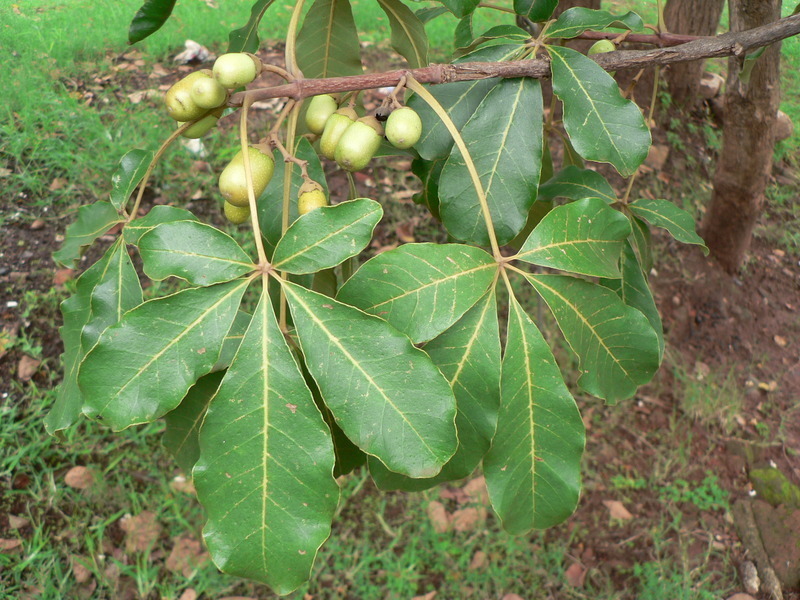
- Leaves: Compound with 5 leaflets, aromatic, and slightly hairy
- Flowers: Light purple to bluish, arranged in upright spikes
- Fruits: Round, dark purple-black drupe (2–4 cm wide) with soft, sweet pulp
- Bark: Rough, grey-brown, used medicinally
Its purple-black fruits are often hidden in the canopy — a treasure for those who know where to look.
Ecological Role
- Fruits are eaten by:
- Birds, bats, monkeys, and forest rodents
- Flowers attract bees and butterflies for pollination
- Acts as a windbreak and soil stabilizer in farm edges
- Leaf litter contributes to soil fertility
It plays a keystone role in agroecological farming systems.
Edible and Culinary Uses
A cherished seasonal fruit, Vitex doniana is:
- Eaten raw, prized for its sweet, plum-like flavor
- Used in:
- Local juices and syrups
- Fermented beverages (sometimes mildly alcoholic)
- Fruit sauces, jams, or cakes in rural households
In parts of Ghana and Côte d’Ivoire, it’s shared among children or offered during community gatherings.
Its leaves are also boiled as a vegetable, similar to spinach, rich in iron and vitamins.
Traditional Medicinal Uses
All parts of the plant are valued for their healing properties:
- Bark decoctions:
- Used for anemia, jaundice, and fever
- Applied for wounds and abscesses
- Leaves:
- Used to treat diabetes, fatigue, and hypertension
- Employed in lactation stimulation for mothers
- Fruits:
- Taken to boost strength and immunity
- Used in traditional cleansing diets
It is known in many oral traditions as a “fruit that strengthens warriors and women”.
Cultural and Spiritual Importance
In the Tano Basin and Akan world:
- The tree is often planted near family lands for luck and prosperity
- Its fruits are offered in ancestral ceremonies and harvest rituals
- Known to be favored by forest spirits and sometimes used in divination rites
Farmers say: “A household with a black plum tree never lacks fruit or medicine.”
Conservation Notes
- Still widespread but faces risk from:
- Overharvesting, especially for leaves and bark
- Neglect in replanting, as older trees die out
- Replacement by exotic fruit species in modern farms
Conservationists recommend:
- Domestication in agroforestry systems
- Seedling distribution and education on planting techniques
Why It Matters for the Tano River
Vitex doniana is:
- A forgotten fruit with rich cultural and nutritional value
- A tree that links the forest to the farm, the kitchen to the clinic
- A living archive of rural wisdom, biodiversity, and resilience
Its purple fruit stains fingers, but also colors the memory of harvest seasons past.
🔗 Do you grow or harvest black plum in your area? Share your photos, recipes, or memories at [TanoRiver.com/submit]