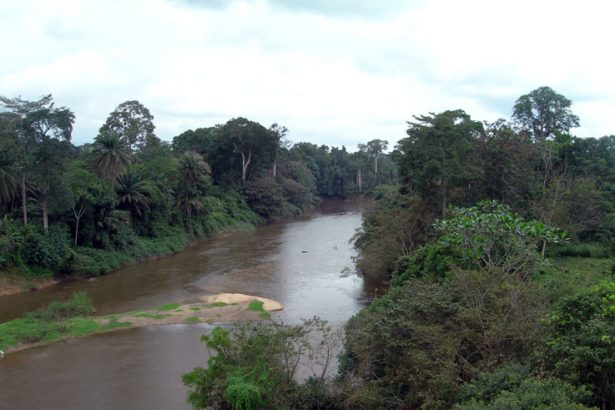
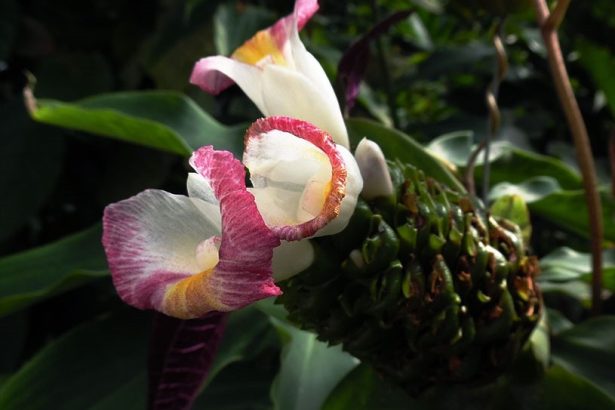
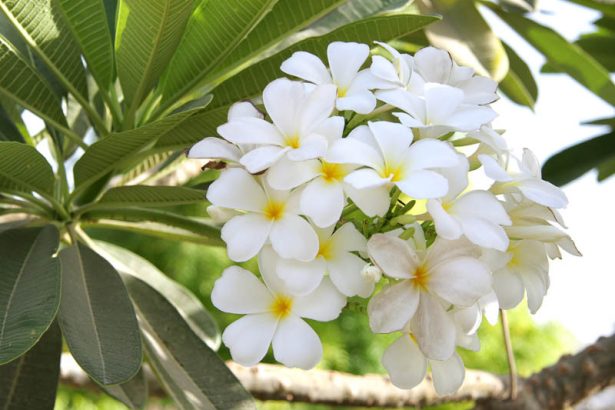
Orchidées africaines du bassin du fleuve Tano (Tanoé)
Cet article n’est pas encore disponible en français : vous lisez la version originale en anglais. Voir la page anglaise
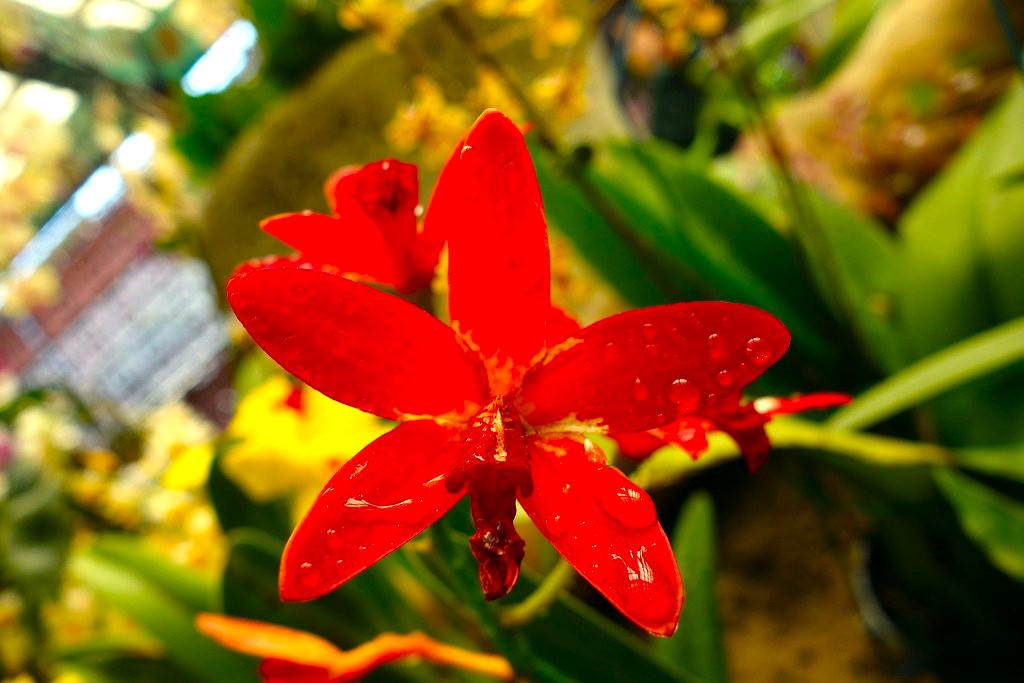
Delicate blooms hidden in the shadows of the forest canopy
General Overview
Orchids are among the most diverse and enchanting flowering plants on Earth, and the Tano River Basin—with its humid forests, swamps, and riparian zones—hosts several native and wild orchid species.
In Ghana and Côte d’Ivoire, African orchids are:
- Found in primary and secondary rainforests
- Associated with sacred groves, undergrowth near rivers, and tree trunks in swamp forests
- Especially visible in the Tanoé-Ehy Forest Wetlands, a known biodiversity hotspot
Notable Wild Orchid Species (Documented or Likely Present)
1.Ansellia africana(Leopard Orchid)
- Appearance: Yellow with brown or maroon spots (like leopard print)
- Growth: Epiphytic — grows on tree trunks and branches
- Habitat: Moist forests, especially near watercourses
- Cultural use: Considered sacred in some communities; sometimes used in herbal mixtures
2.Eulophia guineensis
- Appearance: Tall ground orchid with greenish-yellow or reddish flowers
- Growth: Terrestrial (grows in soil), often near river edges
- Medicinal use: Tuber sometimes used in traditional medicine for stomach and reproductive health
3.Habenaria spp.
- Appearance: Slender spikes of white or green flowers
- Habitat: Damp forest floor or grassy riverbanks
- Cultural importance: Used in spiritual medicine and bathing rituals
4.Polystachya concreta
- Appearance: Tiny yellow-orange flowers on short stems
- Growth: Grows on trees in dense forest shade
- Ecology: Pollinated by bees and small flies; very sensitive to habitat loss
Ecological Role
- Orchids are indicators of forest health — they thrive only in undisturbed ecosystems
- Many are pollinator-specific, depending on certain bees, moths, or flies
- Some epiphytic orchids help create microhabitats on large trees
Their loss often signals environmental stress or ecosystem degradation.
Cultural and Medicinal Significance
While not always as commonly used as trees or herbs, orchids have:
- Spiritual value in some riverine communities (offered at shrines)
- Medicinal applications in root or tuber form (fever, fertility, stomach ailments)
- A place in folklore, often seen as rare and magical flowers
In Baoulé and Akan regions, their mysterious beauty is sometimes linked to forest spirits or ancestral messages.
Threats to African Orchids
Orchids in the Tano region face serious threats:
- Deforestation and illegal mining (galamsey) near water bodies
- Overharvesting by collectors and herbalists
- Climate change and drying of forest undergrowth
- Lack of replanting knowledge or propagation methods
Because they depend on specific fungi to grow, orchids are very hard to restore once lost.
Why They Matter for the Tano River
African orchids may seem small and hidden, but they are:
- Ecological jewels of the Tano Basin
- Indicators of ancient forest balance
- Bearers of spiritual elegance and rare beauty
Their preservation is tied to protecting the deep forest zones and traditional forest knowledge of the Tano people.
🔗 Have you spotted an orchid near the Tano River? Upload your photo or story at [TanoRiver.com/submit]