Sites naturels à visiter le long du fleuve Tano (Tanoé)
Cet article n’est pas encore disponible en français : vous lisez la version originale en anglais. Voir la page anglaise
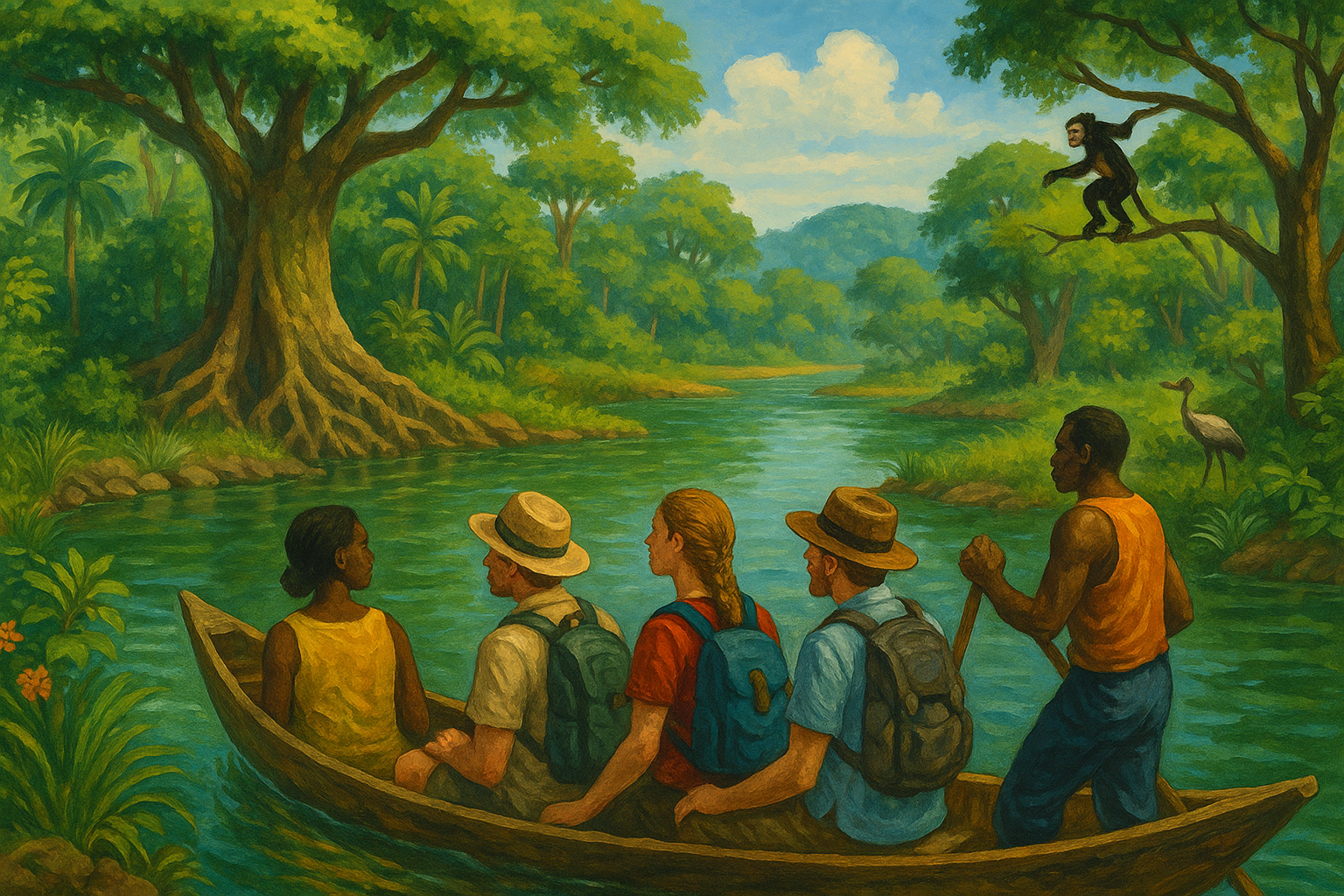
The Tano River is more than a historical and cultural landmark—it's also a treasure trove of natural beauty and biodiversity, offering visitors a chance to explore sacred forests, lush wetlands, pristine riverbanks, and estuarine landscapes. For nature lovers, eco-tourists, researchers, and cultural explorers, the Tano River provides unforgettable experiences in both Ghana and Côte d’Ivoire.
In Ghana
1. Tano Sacred Grove (Tanoso / Techiman Area, Bono East Region)
Type: Spiritual Forest Sanctuary
Highlights:
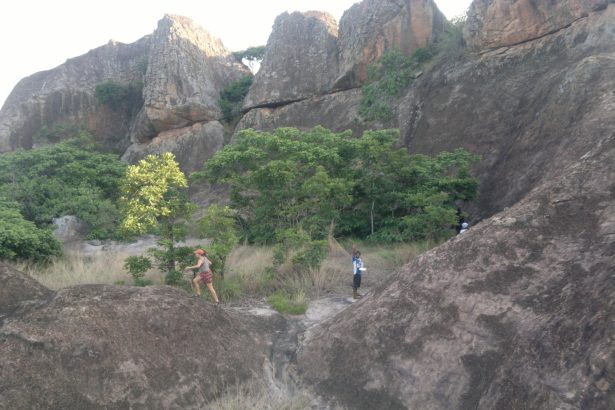
- Believed to be the source of the river and the dwelling place of the deity Taakora
- Home to sacred trees, forest spirits, and ancestral altars
- Ritual paths and natural shrines under the protection of traditional priests
- No cutting, fishing, or bathing allowed—visits must be respectful and guided
Best for: Spiritual tourism, ethnographic study, silent reflection
2. Tano-Offin Forest Reserve (Western Region)
Type: Semi-deciduous tropical forest
Highlights:
- Biodiversity hotspot near the middle reaches of the river
- Habitat for birds, monkeys, and butterflies
- Opportunities for guided nature walks and birdwatching
- Threatened by encroachment—ideal for conservation-focused visits
Best for: Eco-tourism, birding, conservation education
3. Canoe Ride Along the Border (Elubo Area)
Type: Cross-border cultural landscape
Highlights:
- Quiet stretches of the river where Ghana and Côte d’Ivoire meet
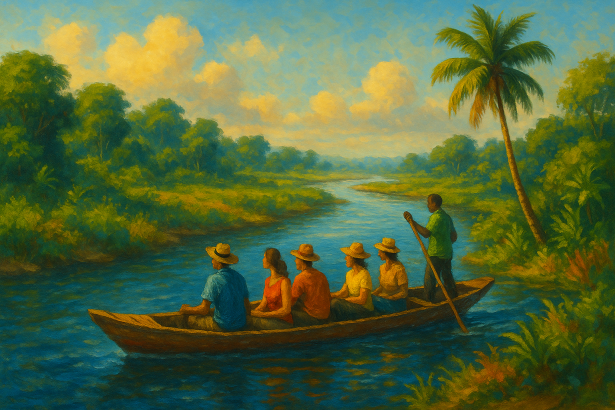
- Scenic canoe rides through forest corridors and village crossings
- See artisanal fishing, riverside farms, and local rituals
- Can be arranged with local guides from the Nzema area
Best for: Cultural immersion, photography, river exploration
In Côte d’Ivoire
4. Tanoé-Ehy Swamp Forest (Nouamou / Ehy Area, Sud-Comoé Region)
Type: Protected Swamp Forest and Wetland
Highlights:
- One of the most biologically rich wetlands in West Africa
- Home to endangered species like the Roloway monkey, White-naped mangabey, and rare birds
- Sacred forest zones managed by local communities and researchers
- Guided treks available with eco-guards and conservationists
Best for: Wildlife observation, forest research, eco-volunteering
5. Aby Lagoon and Tano Estuary (Assinie / Ehotilé Islands)
Type: Lagoon, estuary, mangrove reserve
Highlights:
- Where the Tano River meets the Atlantic Ocean
- Explore mangrove channels, fishing villages, and coastal rituals
- Boat rides to the Îles Ehotilé National Park, with colonies of sacred birds and spiritual islets
- Opportunities for birdwatching, cultural festivals, and sustainable fishing tours
Best for: Lagoon adventure, coastal ecology, cross-cultural exchange
6. Traditional Villages and Market Stops
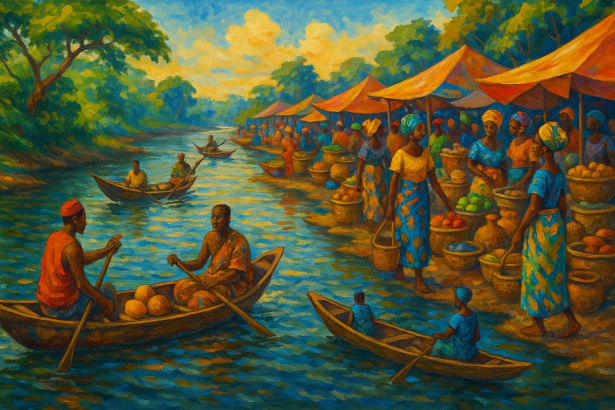
Throughout both Ghana and Côte d’Ivoire, visitors can explore villages like Tanoso, Elubo, Tanoé, Ehy, and Nouamou, where:
- Local artisans produce kente, pottery, and woven baskets
- Traditional markets offer fish, yam, spices, and cocoa
- Riverbank ceremonies or storytelling sessions may be witnessed during festivals
Best for: Authentic rural experiences, artisan culture, storytelling