Triplochiton scleroxylon – L’obéché, le géant silencieux
Cet article n’est pas encore disponible en français : vous lisez la version originale en anglais. Voir la page anglaise
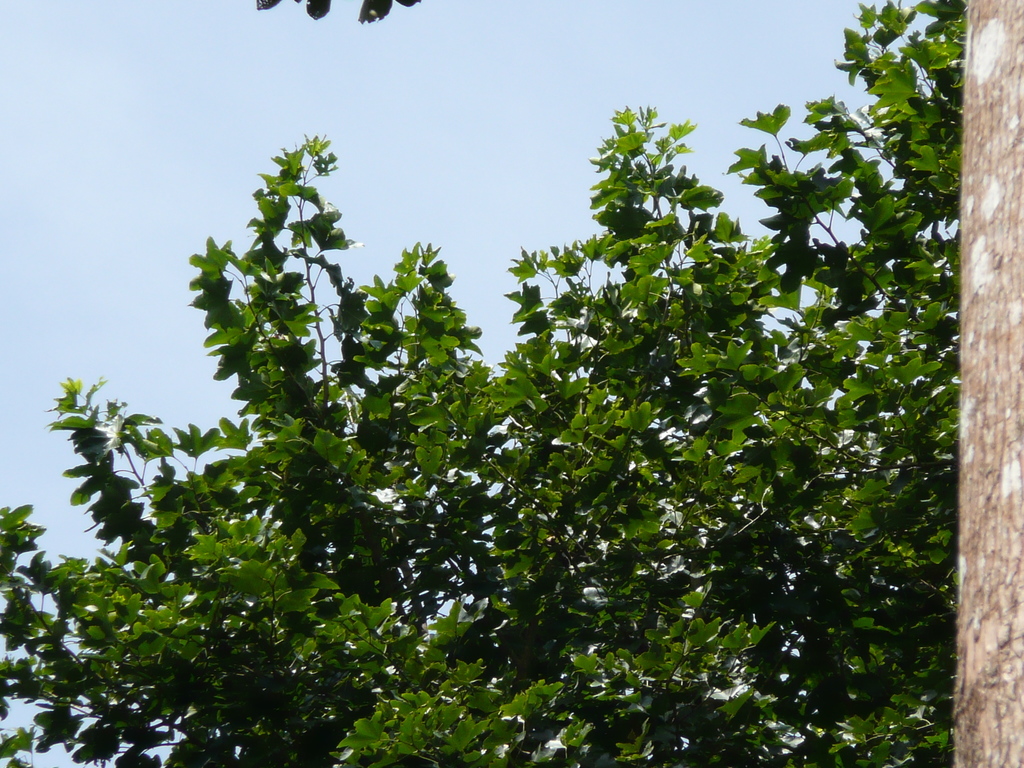
A towering tree of light and trade, rising from the forests of the Tano River Basin
Scientific Name:Triplochiton scleroxylon
Common names: Obeche, African whitewood, Samba, Ayous (Fr.), “Wawa” (Akan), “Béré” (Baoulé)
Family: Malvaceae (previously Sterculiaceae)
Habitat and Distribution
Triplochiton scleroxylon is native to tropical West and Central Africa, found in:
- Moist semi-deciduous and evergreen forests, particularly in:
- Ghana, Côte d’Ivoire, Nigeria, Cameroon, and DR Congo
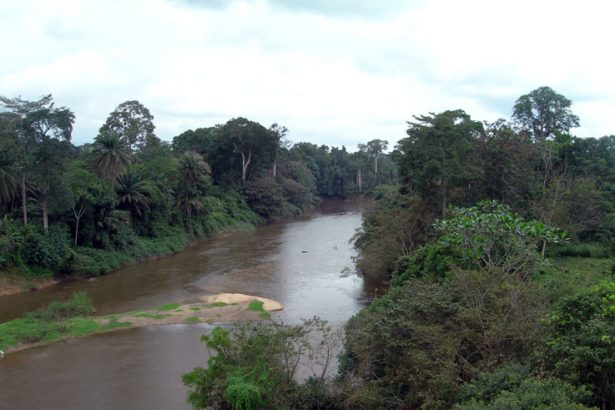
In theTano River Basin, it grows:
- In lowland forest zones, especially:
- Near the Tanoé-Ehy forest complex
- Within community-managed reserves
- Along shaded riverbanks and degraded forests in recovery
Obeche thrives in deep, fertile soils and humid environments, making it ideal for the mid and lower Tano Basin.
Botanical Description
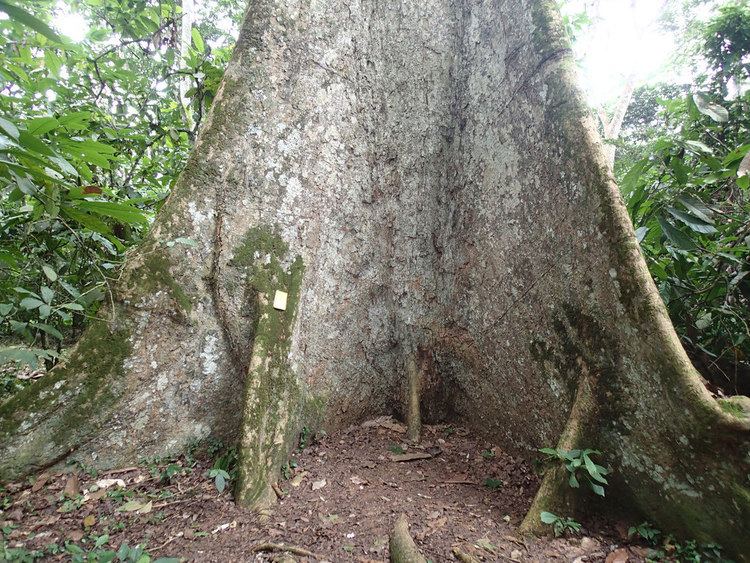
- Height: Often reaches 40–50 meters, with a clear, straight bole
- Trunk: Cylindrical and tall, sometimes buttressed at the base
- Bark: Greyish and rough, with small vertical cracks
- Leaves: Large, star-shaped (palmate), similar to maple leaves — one of its most distinctive traits
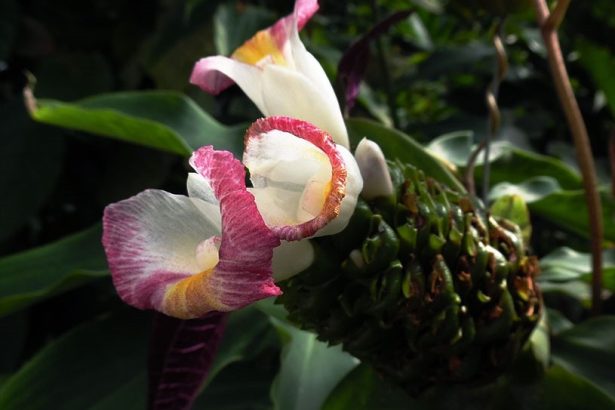
- Flowers: Small and white, pollinated by insects
- Fruits: Capsule containing winged seeds
Its light-colored wood and enormous height make it a dominant tree in old-growth forests.
Ecological Role
- Acts as a canopy stabilizer in mature tropical forests
- Provides:
- Nesting and roosting space for birds and bats
- Leaf litter that enriches the forest floor
- A microclimate that protects understory plants and insects
Because of its fast growth in secondary forests, it's often used in reforestation efforts.
Economic Importance
One of the most commercially valuable timbers in West and Central Africa:
Wood properties:
- Lightweight and pale-colored
- Easy to cut, shape, and polish
- Used for:
- Plywood and veneers
- Interior furniture and cabinets
- Musical instruments, molding, and lightweight boats
Highly exported, especially from Ghana and Côte d’Ivoire, to Europe and Asia.
Traditional and Cultural Uses
Though less ritualized than other sacred trees, Obeche has local uses:
- Light wood is used for carving stools, mortars, masks, and drums
- Its bark may be used in decoctions to treat skin conditions or internal ulcers
- Sometimes planted in village centers for shade due to its wide canopy
Its association with craftsmanship and building gives it symbolic ties to creation and legacy.
Threats and Conservation
- Intensely logged due to its commercial value
- Regeneration in the wild is often poor without protection
- Threatened by:
- Illegal logging in protected forests
- Land conversion for agriculture or mining
Conservation measures:
- Community-based forest management
- Sustainable timber certification (e.g., FSC)
- Inclusion in agroforestry and restoration projects
Why It Matters for the Tano River
Triplochiton scleroxylon is:
- A quiet architectural giant of the river’s forests
- A source of livelihood, beauty, and environmental stability
- A reminder that even economic trees deserve ecological respect
Its wood builds homes, but its roots hold the riverbanks.
🔗 Have you carved with Obeche or planted one near your home? Tell us about it at [TanoRiver.com/submit]