Raphia hookeri – Le raphia
Cet article n’est pas encore disponible en français : vous lisez la version originale en anglais. Voir la page anglaise
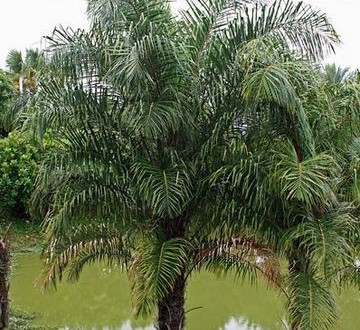
The fiber of life in the wetlands of the Tano River
Scientific Name:Raphia hookeri
Common names: Raphia palm, Swamp palm, Vin palm, "Nni" (Akan), "Ahou" (Baoulé), "Raffia" (French)
Family: Arecaceae (palm family)
Habitat and Distribution
Raphia hookeri is native to the tropical lowlands of West and Central Africa, and is especially common in:
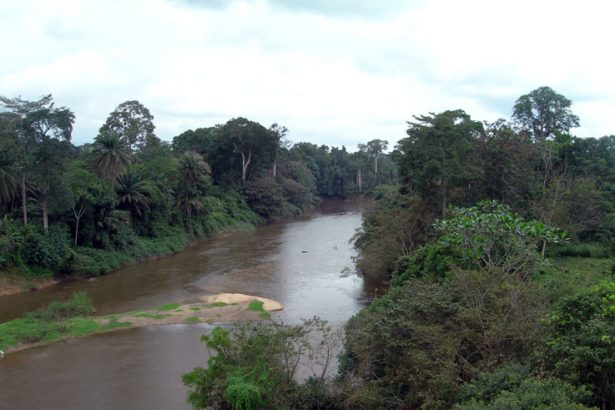
- Swamp forests
- Riverbanks and floodplains
- Wetlands and lagoons
Along the Tano River Basin, it grows abundantly in:
- The Tanoé-Ehy wetland zone (Côte d’Ivoire)
- The brackish edges of Tendo and Ehy Lagoons
- Shaded, moist spots in the middle and lower Tano course
Its presence is a clear indicator of wet, fertile ground.
Botanical Characteristics
- Leaves: Longest of any plant in the world — up to 25 meters (80 feet)
- Trunk: Short, often subterranean, with tall leaf stalks rising directly from the base
- Fruit: Oval, brown, fibrous; contains edible kernel
- Growth: Forms dense clusters in swampy areas
It is not a single-trunked palm like the oil palm — instead, it grows in bushy clumps that create a dense, shaded wetland canopy.
Ecological Importance
- Prevents erosion in riverbanks and flooded plains
- Provides nesting materials and shelter for birds, frogs, snakes, and small mammals
- Its root system helps in water filtration and flood control
- Supports aquatic biodiversity in swampy zones
In many parts of the lower Tano, the Raphia palm is a foundation species for swamp ecosystems.
Economic and Cultural Uses
Raphia is a multi-use plant, deeply integrated into traditional life:
1.Fiber(Raffia)
- Extracted from leaf sheaths
- Used for:
- Basketry and mats
- Roof thatching
- Hats, bags, ropes, fishing nets
- Ceremonial textiles in Akan and Baoulé cultures
2.Palm Wine
- The sap is tapped and fermented into sweet or strong palm wine
- Used in:
- Social gatherings and weddings
- Ritual libations to river deities and ancestors
- Healing ceremonies in traditional medicine
3.Medicinal uses
- The sap, roots, and bark are used to treat:
- Fever
- Wounds
- Stomach ailments
4.Spiritual Use
- In some Akan traditions, raffia ropes are used to mark sacred spaces, ritual boundaries, or river shrines
Threats
Although Raphia hookeri is widespread, it faces threats from:
- Wetland degradation due to mining and logging
- Draining of swamps for agriculture and settlement
- Overharvesting of young palms for palm wine without replanting
Loss of raffia palms means a loss of craftsmanship, biodiversity, and cultural identity.
Why It Matters for the Tano River
The Raphia palm is woven into the daily life and ecology of the Tano River region:
- It provides livelihoods for artisans and winemakers
- It supports wetland wildlife and flood control
- It features in rituals and ancestral traditions tied to the river
Protecting the Raphia is protecting the living fabric of the Tano River's wetlands.
🔗 Explore our series on useful plants of the Tano, or share your raffia craft photos at [TanoRiver.com/submit]