Nauclea latifolia – Le pêcher africain
Cet article n’est pas encore disponible en français : vous lisez la version originale en anglais. Voir la page anglaise
A sacred fruiting tree rooted in healing, spirit, and survival along the Tano River
Scientific Name:Nauclea latifolia
Common names: African peach, Pin cushion tree, “Konkoma” (Akan), “Pavé” (Fr.), “Banga” (Baoulé), “Utu” (Ewé)
Family: Rubiaceae (coffee family)
Habitat and Distribution
Nauclea latifolia is native to sub-Saharan Africa and widely found across:
- Ghana, Côte d’Ivoire, Nigeria, Guinea, and the Congo Basin
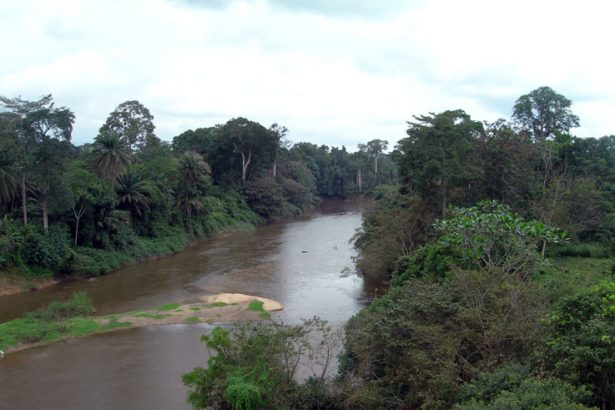
In the Tano River Basin, it grows:
- Along riverbanks, swampy lowlands, and gallery forests
- In village groves, sacred forests, and fallow agricultural lands
It thrives in moist tropical climates and plays a key role in both natural ecosystems and rural communities.
Botanical Description
- Leaves: Large, oval, and glossy — forming a broad canopy
- Height: Medium-sized tree, typically 3–10 meters tall
- Flowers: Creamy-white spherical heads with fine stamens — look like pincushions
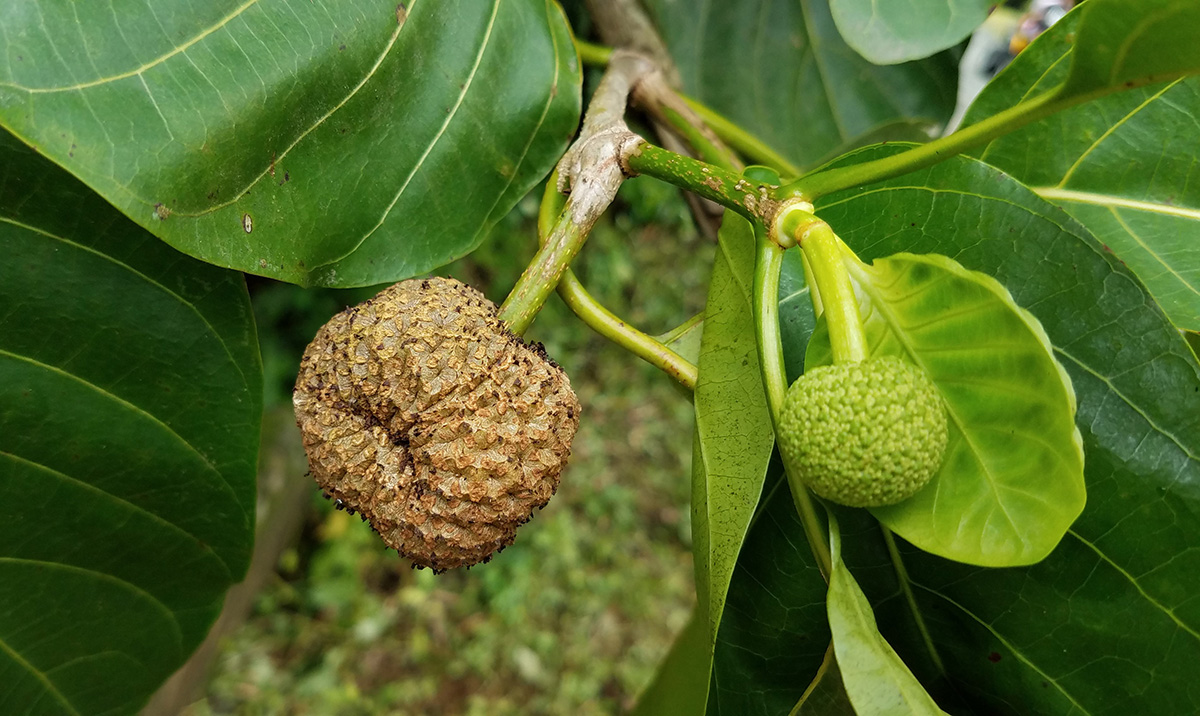
- Fruits: Round, fleshy, yellow-green fruits with a sweet, tart pulp, resembling a wild peach
- Roots and bark: Deep-rooted, sturdy, often used medicinally
Ecological Role
- The tree provides:
- Shade and erosion control along riverbanks
- Food and habitat for bats, monkeys, birds, and insects
- Nectar for pollinators and fruit for wildlife and humans alike
It is vital to forest-edge biodiversity in the Tano region.
Traditional Uses and Medicinal Value
Nauclea latifolia is considered a pan-African medicinal powerhouse:
Uses of various parts:
- Fruits:
- Eaten raw or fermented into beverages
- Used to treat diarrhea and dysentery
- Given to children as a tonic
- Bark and roots:
- Boiled or pounded to treat:
- Malaria and fever
- Stomach pain and parasitic infections
- High blood pressure and diabetes
- Used in ritual baths and cleansing ceremonies
- Boiled or pounded to treat:
- Leaves:
- Applied to wounds and skin infections
- Crushed and used for eye washes or snakebite treatments
It is one of the most frequently used plants by traditional healers across West Africa.
Spiritual and Cultural Importance
- In many communities, the African peach tree is considered sacred:
- Planted near shrines, especially for river deities like Ta Kora
- Its fruits are offered in libation or placed on altars
- Its leaves are sometimes burned as spiritual incense
- In funeral rites, it may be used to bathe the deceased or protect the soul’s passage
The tree is also associated with ancestral protection, especially in riverine villages.
Threats and Conservation Notes
While still common in rural zones, Nauclea latifolia faces:
- Habitat loss due to illegal mining and deforestation
- Overharvesting of bark and roots for medicine
- Lack of reforestation efforts despite its cultural value
Conservationists encourage domestic cultivation and forest-friendly farming to ensure its future.
Why It Matters for the Tano River
Nauclea latifolia is a river guardian, offering:
- Healing, shade, and spiritual shelter
- A powerful symbol of life, medicine, and tradition
- A tree that bridges ancestors, nature, and community well-being
Its fruits feed the body. Its roots feed the soul.
🔗 Do you grow or use the African Peach near the Tano River? Share your photos and stories at [TanoRiver.com/submit]