Commelina africana – La comméline africaine
Cet article n’est pas encore disponible en français : vous lisez la version originale en anglais. Voir la page anglaise
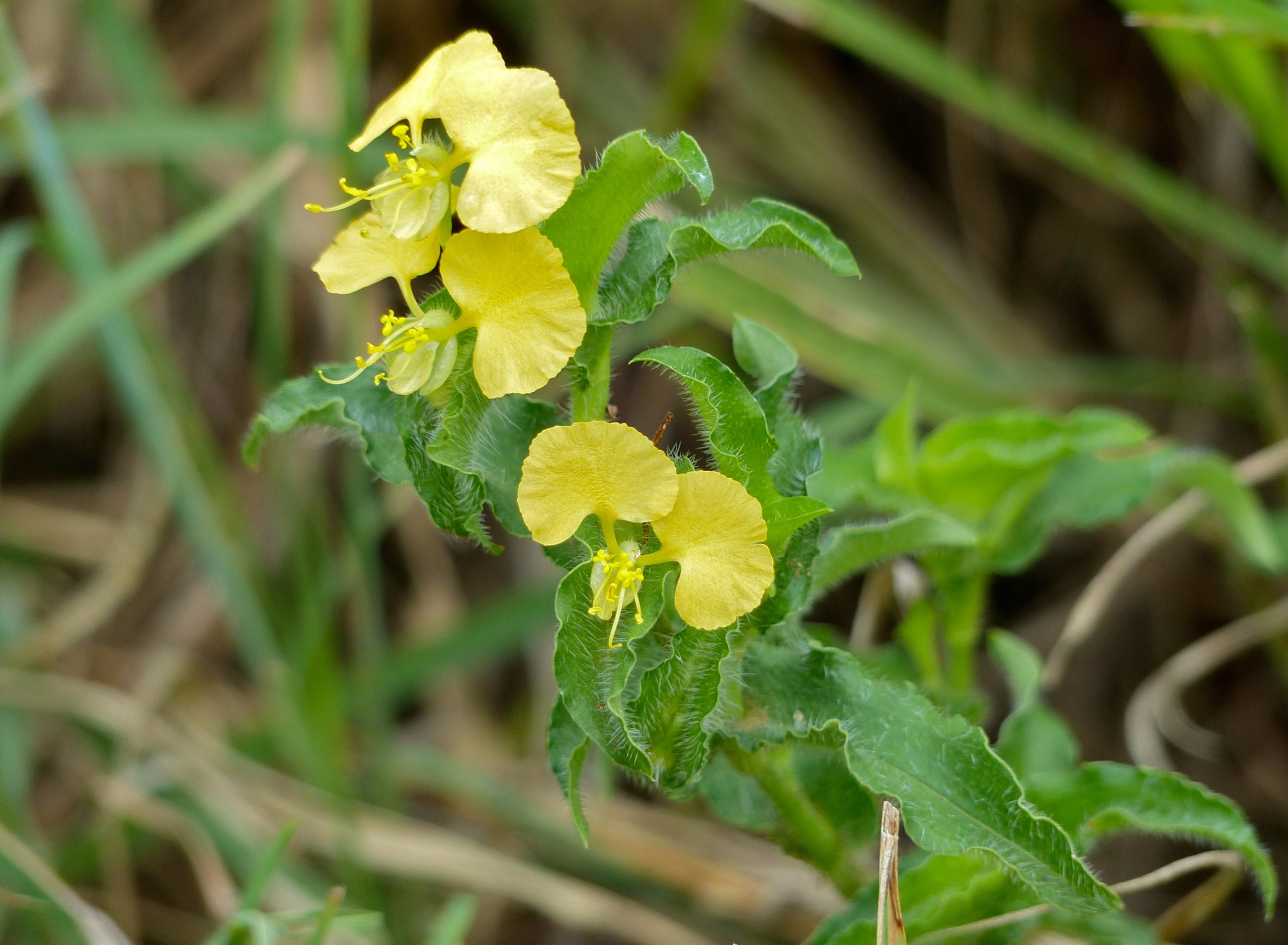
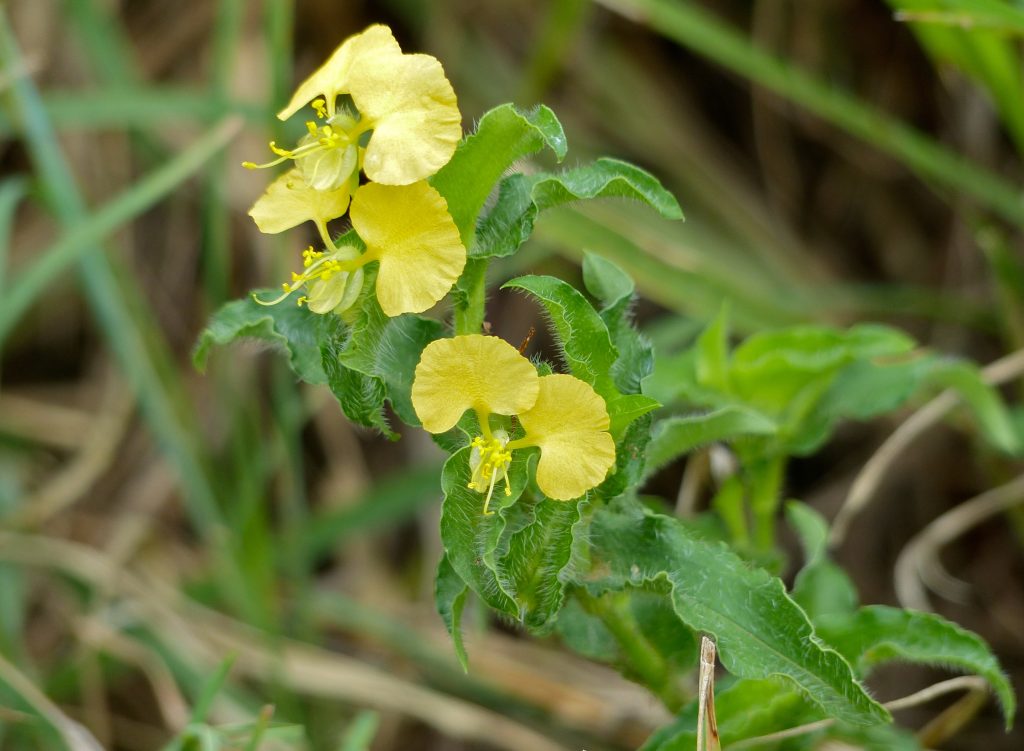
A fragile blue bloom that vanishes with the sun, yet colors the life along the Tano River
Scientific Name:Commelina africana
Common names: African dayflower, Yellow commelina (some varieties), “Nsuo-anemone” (Akan – water flower), “Bleuette d’Afrique” (Fr.)
Family: Commelinaceae (dayflower family)
Habitat and Distribution
Commelina africana is native to tropical Africa, including:
- Ghana, Côte d’Ivoire, and much of sub-Saharan Africa
It thrives in:
- Moist soils along riverbanks and wet trails
- Forest clearings, farms, and roadside edges
- Frequently spotted in lowland areas of the Tano River Basin, especially near seasonal streams and shady thickets
Often found invisible until morning, then revealing itself briefly with the first sunlight.
Botanical Description
- Flowers: Delicate, small blue or violet petals, fading by afternoon
- Usually two upper petals are brightly colored and a third is smaller and paler
- Leaves: Lance-shaped, succulent, light green
- Growth: Creeping or upright herbaceous plant, rarely more than 40 cm tall
- Lifespan of bloom: One day only – opens in the morning, wilts by mid-day
Its ephemeral nature gives the plant both scientific interest and poetic symbolism.
Ecological Role
- Grows rapidly in disturbed soils, helping to:
- Prevent erosion
- Cover the ground in degraded riparian zones
- Provides nectar for small bees and butterflies
- Forage plant for goats and small herbivores
Though humble in size, it plays a ground-level role in biodiversity and resilience.
Cultural and Symbolic Meaning
In Akan and Baoulé oral tradition, the African dayflower may symbolize:
- Fleeting beauty
- Life’s impermanence
- A reminder to seize the morning and honor the day
Locally, it is often known but rarely named, earning nicknames like “the blue whisper” or “flower of the dew.”
Some river-dwellers view its morning bloom as a sign of blessing from the spirits of the water.
Medicinal and Folk Uses
Though not heavily used, traditional uses include:
- Leaf juice applied to:
- Minor skin wounds
- Eye infections
- Insect bites
- Sometimes boiled with other herbs for cooling teas or anti-inflammatory decoctions
Its gentle nature makes it useful in children’s herbal medicine.
Conservation Status
- Widespread and common, not endangered
- But susceptible to:
- Habitat degradation from mining or urban development
- Being overlooked due to its small size and short flowering window
It flourishes best where natural vegetation and seasonal waters are still present.
Why It Matters for the Tano River
Commelina africana is a symbol of the quiet, overlooked resilience of nature:
- It blooms, fades, and returns—like the river itself
- It offers beauty, healing, and memory, all in a single morning
- It reminds us to notice the little things before they disappear
🔗 Have you seen the blue morning bloom of the dayflower along the Tano? Share your sighting at [TanoRiver.com/submit]