Cassia sieberiana – La flamme jaune de la savane
Cet article n’est pas encore disponible en français : vous lisez la version originale en anglais. Voir la page anglaise
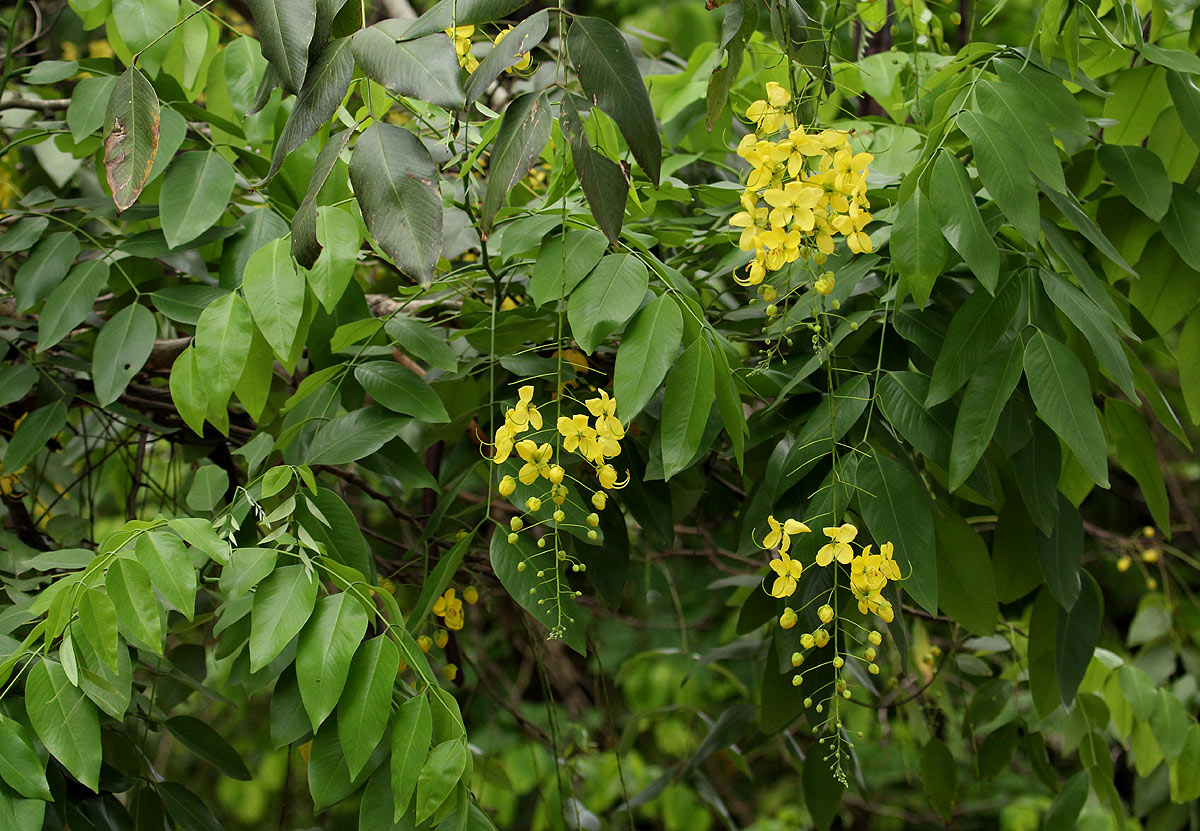
A riverbank healer that lights up the Tano landscape with golden blooms and timeless remedies
Scientific Name:Cassia sieberiana
Common names: African cassia, Yellow cassia, “Duabodye” (Akan), “Sounan” (Baoulé), “Savanna candle tree”, “Cassia d’Afrique” (Fr.)
Family: Fabaceae (legume family)
Habitat and Distribution
Cassia sieberiana is native to tropical and sub-tropical Africa, thriving in:
- Guinea savannah, woodland zones, and transition forests
- Found from Senegal to Ethiopia, including Ghana and Côte d’Ivoire
In theTano River Basin:
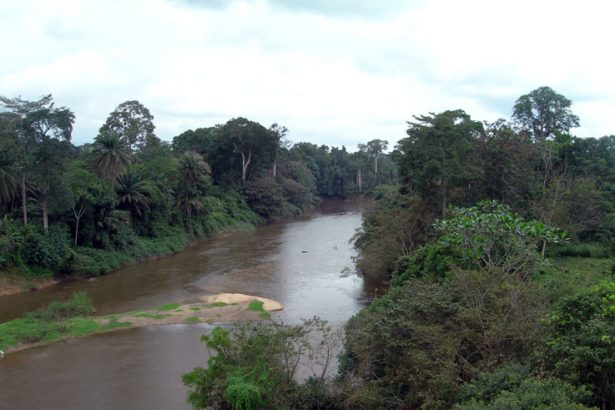
- Common along riverbanks, floodplains, and wet savannah zones
- Especially present in open woodland or transition zones where savannah meets forest
- Prefers:
- Well-drained, sandy-loamy soil
- Seasonally wet areas with full sunlight
- Locations near seasonal streams and rural farming edges
Its adaptability allows it to withstand drought, yet it also flourishes after rains, making it perfect for riverside restoration efforts.
Botanical Description
- Size: Medium tree, typically 4–10 meters tall
- Leaves: Alternate, feathery and compound with many leaflets
- Flowers: Showy, bright yellow, five-petaled — bloom in abundant clusters
- Fruits: Long, cylindrical pods with flat seeds
- Root system: Deep and strong — helps control erosion
Its striking yellow flowers often signal the start of the rainy season in West Africa.
Ecological Role
- Pollinator magnet – attracts bees, butterflies, and sunbirds
- Its roots fix nitrogen, enriching soils for nearby plants
- Pods feed wild herbivores, and its shade supports undergrowth
- Planted for erosion control and reforestation in degraded lands
Traditional Medicinal Uses
Cassia sieberiana is a key multi-use medicinal tree across West Africa:
Bark, root, leaves, and flowers used to treat:
- Malaria and fever
- Stomach pain and ulcers
- Jaundice and liver disease
- Urinary tract infections and sexually transmitted diseases
- Wounds, boils, and eye infections
Preparation forms:
- Decoctions, infusions, or pastes
- Ritual steam baths
- Powdered bark for topical application
It's often one of the first trees consulted by traditional healers for internal cleansing and liver detoxification.
Cultural Significance
- Symbol of cleansing and renewal — due to its golden blooms and use in ritual purification
- Planted near village borders, healing centers, and burial sites
- Its flowering marks transitions in the seasonal and spiritual calendar
- Believed to guard river crossings and ward off spiritual illness
Its seeds may be used in ritual protection charms or healing necklaces.
Conservation and Reforestation Use
- Not endangered but increasingly used in:
- Agroforestry projects
- Watershed restoration programs
- Erosion control along rivers and degraded lands
It’s one of the recommended trees for replanting riparian zones around the Tano River.
Why It Matters for the Tano River
Cassia sieberiana shines as:
- A biological protector of riverbanks
- A tree of healing, light, and balance
- A reminder that nature’s medicine grows not just in the forest, but also in open spaces touched by the river
🔗 Do you see the yellow cassia bloom where you live? Share your images or uses of this tree at [TanoRiver.com/submit]