Terminalia superba – Le géant blanc de la forêt
Cet article n’est pas encore disponible en français : vous lisez la version originale en anglais. Voir la page anglaise
A towering treasure of the Tano Basin, standing between timber trade and ecological survival
Scientific Name:Terminalia superba
Common names: White fraké, Limba, Afara (Yoruba), “Fraké blanc” (Fr.), “Sese” (Baoulé), “Akyem” (Akan), “Tali” (in some forest regions)
Family: Combretaceae
Habitat and Distribution
Terminalia superba is native to tropical West and Central Africa, commonly found in:
- Lowland rainforests, gallery forests, and semi-deciduous woodlands
- Countries including Ghana, Côte d’Ivoire, Nigeria, DRC, and Cameroon
In theTano River Basin:
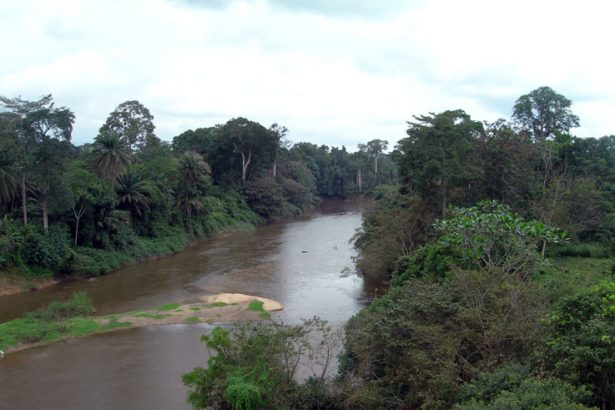
- Grows in moist forest zones, especially near seasonal streams and wetlands
- Found in:
- Sacred forest patches
- Protected groves along the Tano and Boin reserves
- Community forests used for selective timber harvest
It prefers deep, fertile, well-drained soils and often emerges above the canopy in older forests.
Botanical Description
- Height: Can reach 40–50 meters, with a straight, cylindrical trunk
- Trunk: Light grey to silver bark; buttressed at the base
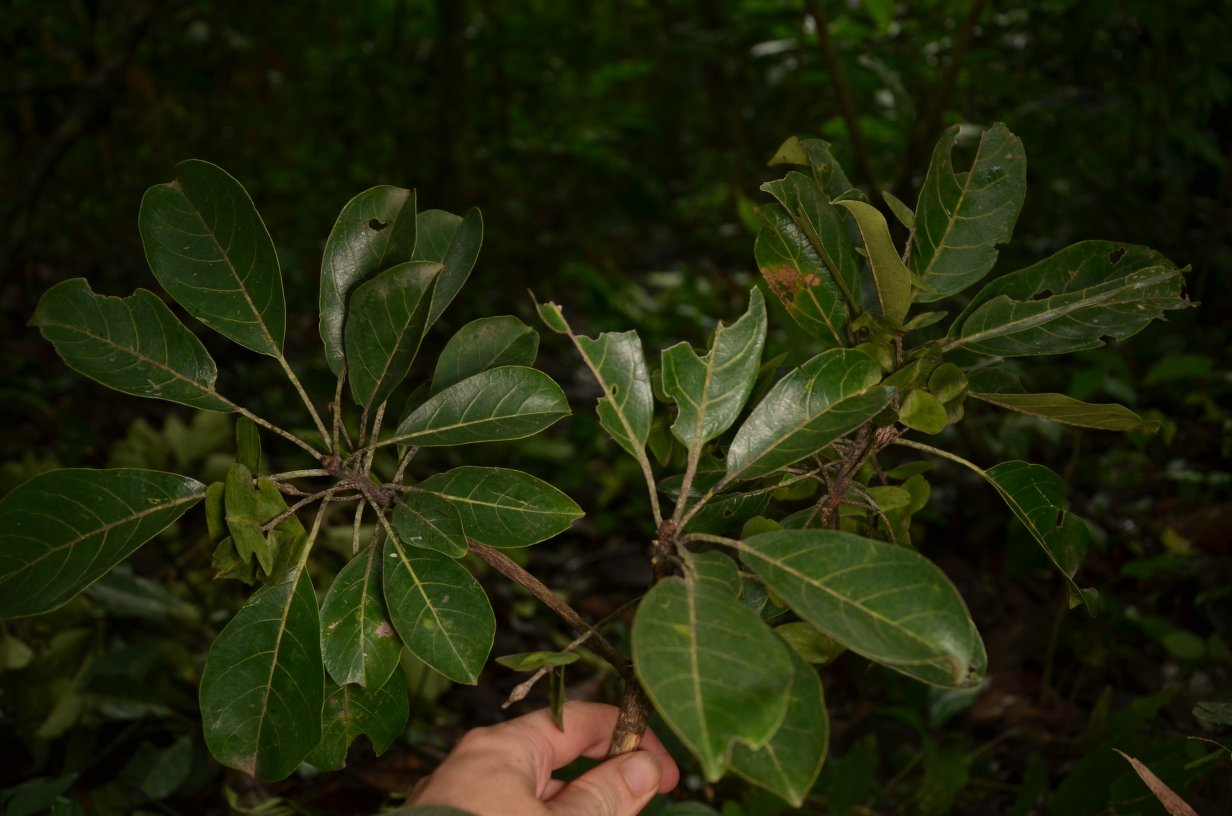
- Leaves: Simple, alternating clusters at branch tips
- Flowers: Small, white, in dense terminal spikes, mildly fragrant
- Fruits: Winged samaras (dry fruits) dispersed by wind
This tree is easily spotted by its tall silhouette and pale bark, making it one of the iconic giants of West African forests.
Ecological Role
- Acts as a canopy stabilizer in mature forests
- Provides:
- Nesting space for birds of prey and fruit bats
- Shade and protection for smaller tree species
- Food (via fallen fruit) for insects and small mammals
It’s a key part of the forest structure that defines much of the Tano River’s upper catchment ecosystem.
Economic Importance
One of the most valued commercial timber species in West Africa:
Timber uses:
- Furniture, veneers, and plywood
- Flooring and musical instruments (lightweight and resonant)
- Highly prized for its:
- Pale color with subtle patterns
- Light weight and resistance to warping
Also used for:
- Charcoal and fuelwood (in rural areas)
- Agroforestry windbreaks in savannah transition zones
Its popularity has made it a target of intensive logging, especially in Côte d’Ivoire and Ghana.

Threats and Conservation
- Although not globally endangered, Terminalia superba is threatened by:
- Illegal logging and overexploitation
- Habitat fragmentation and mining
- Lack of regeneration in logged forests
In the Tano Basin, some trees survive in community-managed forest reserves or relic sacred groves.
Suggested strategies:
- Promote certified sustainable forestry
- Encourage replanting and seedling nurseries
- Recognize its value as a carbon sink and biodiversity pillar
Why It Matters for the Tano River
Terminalia superba represents:
- The tension between economy and ecology
- A living monument to the forest’s age and wisdom
- A potential symbol of sustainable development in riverine communities
Where the Tano flows, the white fraké still rises — if we choose to protect it.
🔗 Have you worked with Fraké wood or seen one of these majestic trees along the river? Share your story or photo at [TanoRiver.com/submit]