Pseudoromicia tenuipinnis – La sérotine à ailes blanches
Cet article n’est pas encore disponible en français : vous lisez la version originale en anglais. Voir la page anglaise
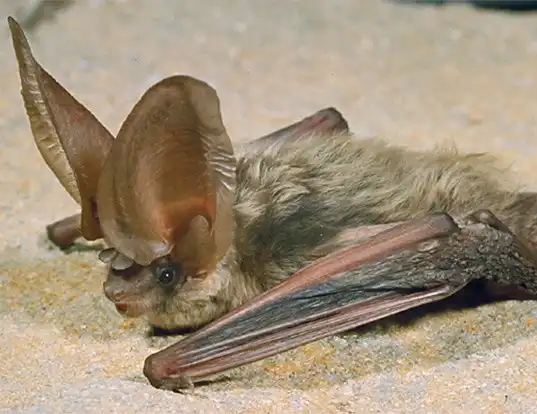
A swift, silent hunter of the night sky over the Tano forests
Quick Facts
- Common Name: White-winged Serotine
- Scientific Name: Pseudoromicia tenuipinnis (formerly Neoromicia tenuipinnis)
- Family: Vespertilionidae (Vesper bats)
- IUCN Status: Least Concern, but rarely studied
- Activity: Nocturnal
- Habitat: Tropical rainforests, river edges, swamp forests
- Diet: Insectivorous
Distribution and Habitat
The White-winged Serotine is found in forested parts of West and Central Africa, including:
- Côte d’Ivoire, Ghana, Liberia, Nigeria, and the Congo Basin
In theTano River region, it likely inhabits:
- Riparian corridors along the river
- Edge habitats near the Tanoé-Ehy Swamp Forest
- Canopy gaps, wetlands, and marshy lowland forests
It is often recorded using mist nets set at low heights, showing its preference for cluttered forest interiors.
Appearance
- Fur: Dark brown to black body fur with contrasting pale or white wings
- Wings: Thin, translucent, and slender — ideal for maneuverable flight
- Size: Small-bodied; ~6–8 grams
- Ears: Broad with a prominent tragus, helping with echolocation
Its white wings are distinctive and unusual among African bats.
Behavior and Ecology
- Nocturnal aerial insectivore
- Uses echolocation to navigate and hunt in complex forest environments
- Diet: Moths, beetles, mosquitoes, and other flying insects
- Flight is quick, erratic, and acrobatic — suited for chasing prey in closed habitats
Roosting behavior is poorly documented, but likely uses:
- Tree holes, under bark, or dense foliage
- Occasionally roosts in abandoned structures near forest edges
Ecological Role
The White-winged Serotine plays a crucial part in:
- Controlling insect populations, especially mosquitoes and crop pests
- Supporting pollination indirectly by reducing herbivorous insect pressure
- Indicating the health of undisturbed forest microclimates
Like many small bats, its presence is critical yet often overlooked.
Conservation Concerns
Although listed as Least Concern, this bat may be at risk in localized areas due to:
- 🏭 Deforestation, especially in moist lowland forests
- 🛢 Pollution from illegal mining (galamsey) affecting insect prey
- 🔥 Fires and habitat fragmentation reducing foraging and roosting areas
- ❌ Lack of field data to assess trends
Its dependence on insect-rich, intact forest makes it vulnerable to ecological disruption.
Why It Matters for the Tano River
The White-winged Serotine is:
- A symbol of invisible biodiversity, thriving quietly in the night
- A natural mosquito control agent, benefiting forest-edge communities
- A sign that healthy airspace and insect webs still exist above the Tano River
Each time it flies, it reminds us that the forest breathes and listens, even after dark.
🔗 Have you seen bats flitting near the river or around your farms at dusk? Have elders spoken of “white-winged night spirits”? Share your encounters at [TanoRiver.com/submit]