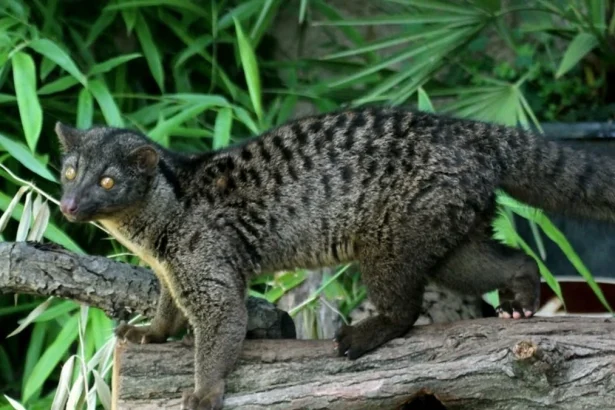
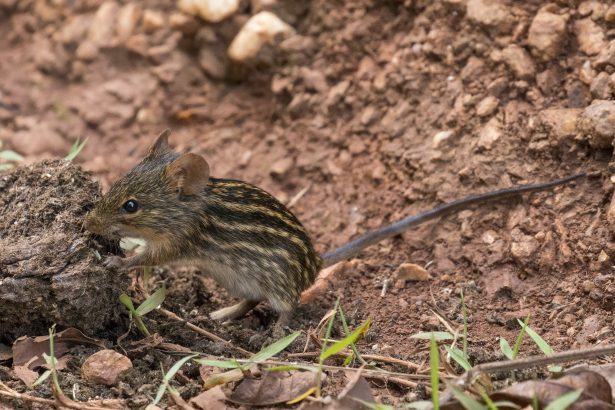
Herpestes urva – La mangouste crabier
Cet article n’est pas encore disponible en français : vous lisez la version originale en anglais. Voir la page anglaise
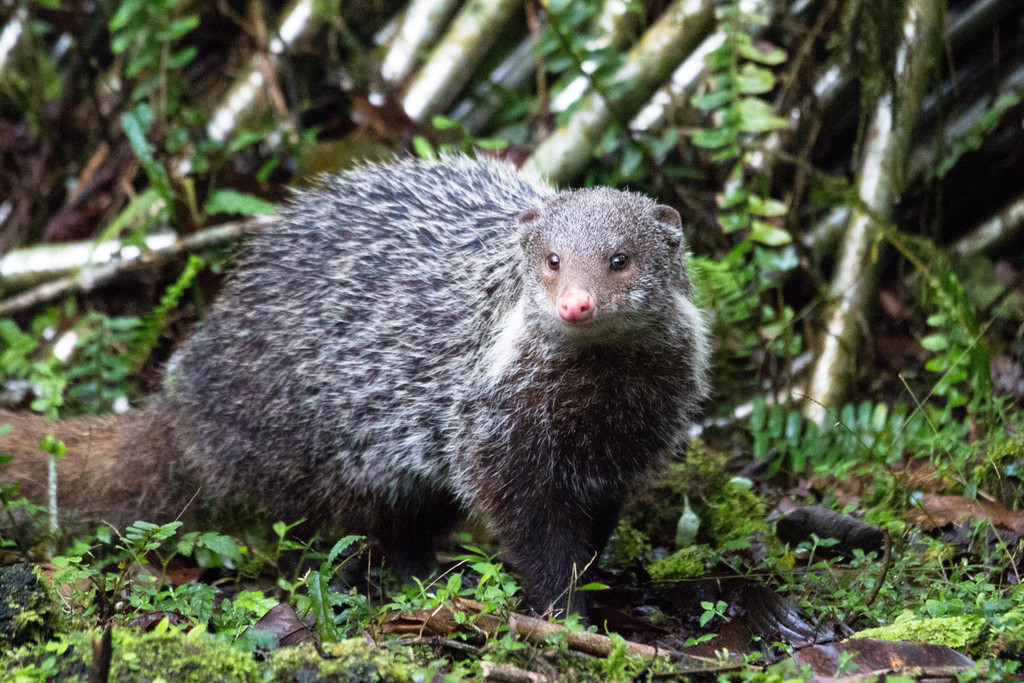
A stealthy forager of riverbanks, wetlands, and muddy forest trails in the heart of Tano
Quick Facts
- Common Name: Crab-eating Mongoose
- Scientific Name: Herpestes urva
- Family: Herpestidae
- IUCN Status: Least Concern (globally)
- Activity: Nocturnal or crepuscular (active at dusk and dawn)
- Habitat: Forested streams, riverbanks, swamps, and wet lowland forests
- Size: 1–1.3 kg; ~40–50 cm body length, with a long bushy tail
⚠️ Note: While Herpestes urva is native to Asia, in West Africa a closely related species known as the Marsh Mongoose (Atilax paludinosus) fills a very similar ecological niche. This article combines elements of both, as they are often confused or interchanged in ecological records.
Distribution and Habitat
In West Africa, the mongoose most often associated with riverine habitats is the Marsh Mongoose, but local communities often refer to it as a "crab hunter" or "water mongoose."
In theTano River Basin, it inhabits:
- Riverbanks, especially in the Tanoé-Ehy Forest wetlands
- Marshes, oxbow lakes, and flooded forest trails
- Occasionally near human settlements, scavenging or hunting crabs and rodents
They are rarely seen, but leave behind distinct muddy tracks and droppings full of shell fragments.
Appearance
- Coat: Dark brown to black fur, often sleek and water-repellent
- Tail: Long, bushy, and dark, aiding in balance
- Snout: Long and pointed, perfect for probing crevices
- Feet: Partially webbed toes, well-suited for walking in mud or shallow water
Its look is similar to other mongooses but adapted for amphibious life.
Behavior and Diet
- Solitary and elusive, moving silently at dusk or dawn
- Diet:
- Crabs, frogs, fish, insects, snails
- Occasionally small rodents, birds, and fruit
- Excellent swimmer and climber, can dive and dig with ease
Leaves behind twisted droppings containing shell bits near waterholes or under bridges.
Reproduction
- Breeds once or twice a year
- Likely gives birth to 2–4 pups in a burrow or hidden nest
- Offspring stay with the mother until they can hunt on their own
- Little is known about mating rituals in the wild
Ecological Role
The crab-eating mongoose is a:
- Natural pest controller, reducing crab, snail, and rodent populations
- Scavenger, helping clean up carrion along rivers
- Prey to leopards, pythons, and large raptors
Its foraging shapes the shoreline micro-ecosystem, especially in tidal or marsh zones.
Threats
Although adaptable, it faces threats in the Tano River basin:
- 🏞 Habitat loss from wetland draining and farming
- 🛢 Pollution from gold mining affecting aquatic prey
- 🧱 Trapping and hunting in some rural areas
- ❌ Human conflict, especially when it raids poultry or fish traps
Why It Matters for the Tano River
The presence of a crab-eating mongoose near the Tano River signals:
- A functioning riverbank ecosystem
- Healthy populations of crabs, amphibians, and aquatic insects
- A reminder that not all river wildlife swims or flies — some slink silently in the mud
Its role connects land and water, helping maintain the natural balance along the river’s edge.
🔗 Seen mongoose tracks or shells scattered in the forest? Heard stories of water-going animals near the riverbanks? Help us map their presence at [TanoRiver.com/submit]