Nymphaea lotus – Le nénuphar africain
Cet article n’est pas encore disponible en français : vous lisez la version originale en anglais. Voir la page anglaise

A floating jewel of the Tano River, sacred and serene
Scientific Name:Nymphaea lotus
Common names: White water lily, Egyptian lotus, Sacred lily, Fleur de nénuphar (Fr.), “Nsuo-nkyene” (Akan)
Family: Nymphaeaceae (water lily family)
Natural Habitat and Range
Nymphaea lotus is native to:
- West and Central Africa, including Ghana and Côte d’Ivoire
- Also found in Nile River basins, East Africa, and parts of Southeast Asia
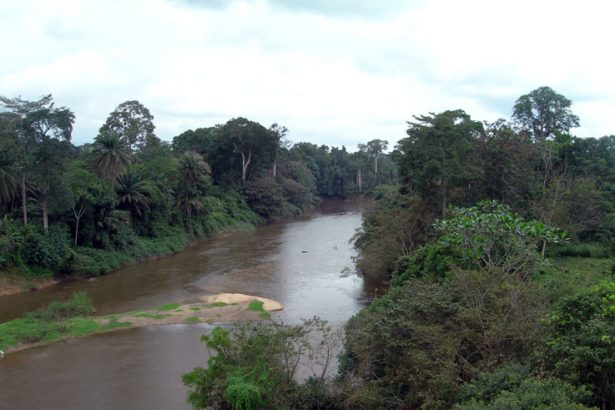
In the Tano River Basin, it flourishes in:
- Shallow, calm areas of the river
- Flooded wetlands near lagoons like Ehy and Tendo
- Backwaters, ponds, and slow-moving forest creeks
It thrives best where sunlight touches still waters.
Botanical Description
- Flower: Large, creamy white petals with a yellow center
- Opens at night and closes by morning
- Leaves: Broad, floating, round or oval, with a notch
- Root: Anchored in the muddy bottom, even though the flower floats
- Fragrance: Mild, sweet scent — attracts nocturnal pollinators like moths
A single pond or lagoon may host dozens of blooms, creating a carpet of light on the water.
Ecological Role
- Provides shelter and breeding grounds for:
- Frogs, toads, and tadpoles
- Fish fry and aquatic insects
- Reduces algal blooms by shading water
- Stabilizes wetland ecosystems
- Acts as a natural water filter
It is one of the key species for healthy freshwater biodiversity in the Tano Basin.
Cultural and Spiritual Significance
- Sacred in ancient Africa, especially in Nubia and Egypt, where it symbolized:
- Rebirth
- The cycle of life and death
- The sun and divine femininity
- Among Akan and Nzema peoples:
- The water lily may be present in ritual river offerings
- Flowers are sometimes used in spiritual cleansing or ancestral rites
- Linked to tranquility and the feminine principle
In many riverine villages, the appearance of lilies marks the onset of the rainy season or blessed fishing periods.
Traditional and Medicinal Uses
While not widely consumed, parts of the plant are sometimes used for:
- Antiseptic washes for skin infections
- Soothing baths for children or postpartum mothers
- Spiritual bath rituals for purification
Some communities boil the leaves or petals in water for cooling or sedative effects.
Threats to the Water Lily
- Siltation and pollution from illegal mining (galamsey) and agriculture
- Drainage of wetlands for palm oil or rubber plantations
- Competition from invasive species in degraded water bodies
The disappearance of lilies may signal a decline in river health.
Why It Matters for the Tano River
The Nymphaea lotus is more than a flower — it is:
- A spiritual icon
- A barometer of ecological balance
- A symbol of the Tano River’s natural elegance
Protecting the lily is part of protecting the soul of the river.
🔗 Have you seen a blooming lily on the Tano? Share your photos or stories at [TanoRiver.com/submit]