Nauclea diderrichii – Bilinga (opepe)
Cet article n’est pas encore disponible en français : vous lisez la version originale en anglais. Voir la page anglaise
A riverine giant with golden wood and deep ecological roots
Scientific Name:Nauclea diderrichii
Common names: African peach, Opepe (Akan), Bilinga (French trade name), Kusia (Ghana), Adoma (Baoulé)
Family: Rubiaceae (coffee family)
Native Habitat and Range
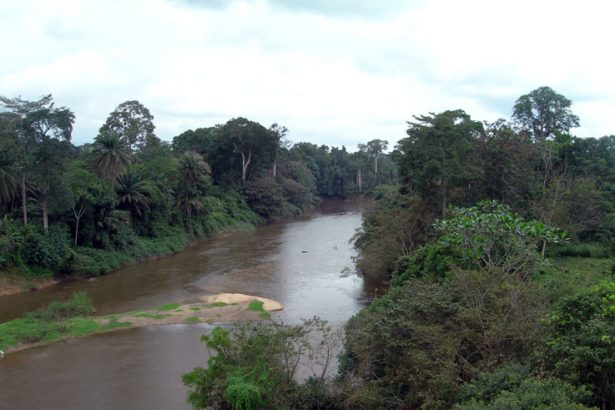
Nauclea diderrichii is native to the humid tropical forests of West and Central Africa, including regions surrounding the Tano River in Ghana and Côte d’Ivoire. It is particularly common in:
- Riparian zones (riverbanks and floodplains)
- Swamp forests
- Lowland evergreen forests
In the Tano Basin, the tree can be seen in both primary and secondary forests, often near streams and wetlands, where the soil remains moist.
Botanical Description
- Height: Up to 35–45 meters (115–150 feet)
- Trunk: Straight and tall with a well-formed, cylindrical bole
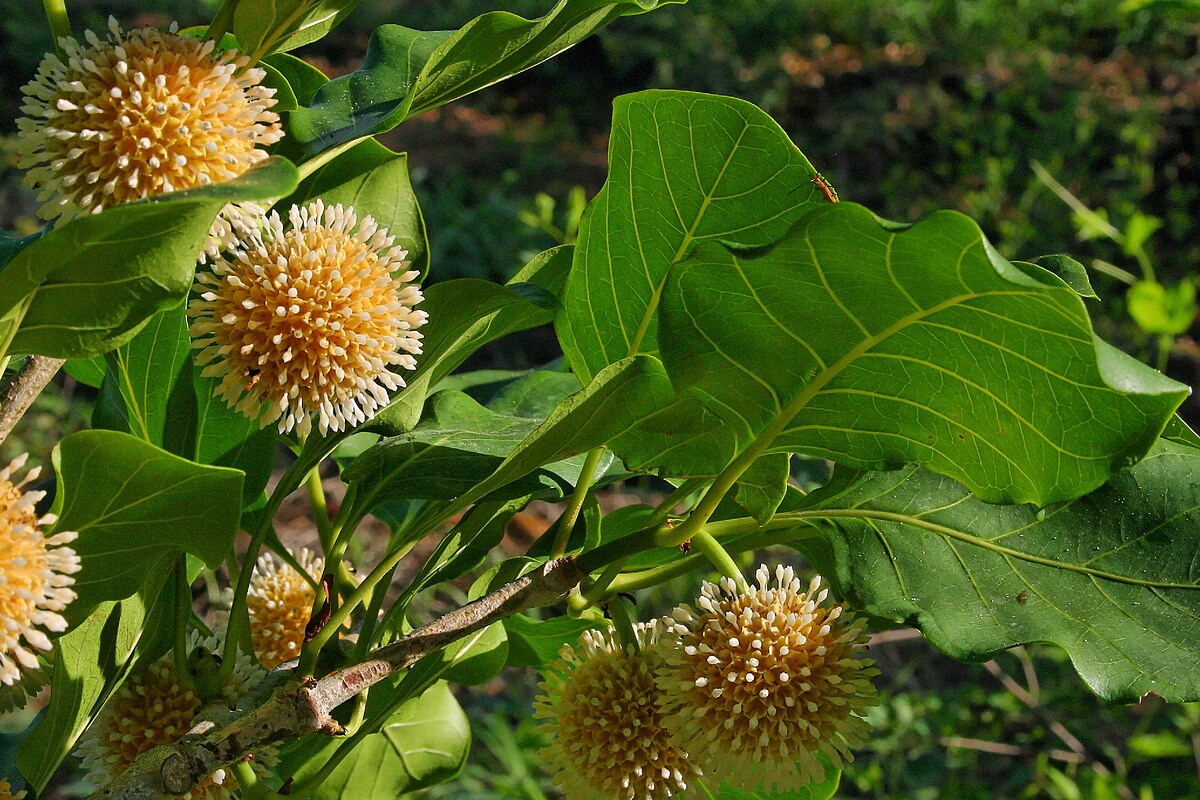
- Leaves: Large, opposite, and glossy green
- Flowers: Small, yellow-white, fragrant, arranged in rounded heads resembling small peaches — hence the name "African peach"
- Fruit: Brown, ball-shaped capsules with tiny seeds dispersed by water or wind
The dense crown and height make this tree a prominent part of the Tano’s forest canopy.
Ecological Importance
- Stabilizes riverbanks and wetlands with its deep root system
- Provides shade and shelter for animals, especially monkeys and birds
- Its flowers attract pollinators, including bees and butterflies
- Seed pods are eaten by some small mammals and scattered during floods
This species plays a critical role in maintaining healthy riparian ecosystems.
Timber and Traditional Use
The wood of Opepe is highly valued across Africa and internationally:
- Color: Bright golden-yellow to orange-brown
- Properties: Heavy, hard, very durable, resistant to insects and decay
- Uses:
- Bridge construction
- Railway sleepers
- Outdoor furniture
- Boat building (including traditional canoes along the Tano)
- Carvings and drums
In traditional contexts:
- The bark may be used in herbal decoctions for fever or pain relief
- The tree is sometimes used to mark sacred boundaries near rivers
Conservation Concerns
Although not currently endangered, Nauclea diderrichii is:
- Under pressure from illegal logging for export markets
- Losing habitat due to agricultural expansion and mining
- Often logged without replanting, reducing regeneration rates
Because of its economic value, selective logging has made mature individuals increasingly rare near some villages along the Tano.
Why It Matters for the Tano River
As a native species deeply tied to riverbanks, the African peach tree is vital to:
- Soil conservation
- Cultural identity (canoes, sacred wood)
- Long-term ecological stability
Protecting Opepe is about preserving the living architecture of the river’s forests.
🔗 Explore more about riverbank species or share photos of African peach trees near your village at [TanoRiver.com/submit]