Morinda lucida – L’arbre au soufre de la rivière
Cet article n’est pas encore disponible en français : vous lisez la version originale en anglais. Voir la page anglaise
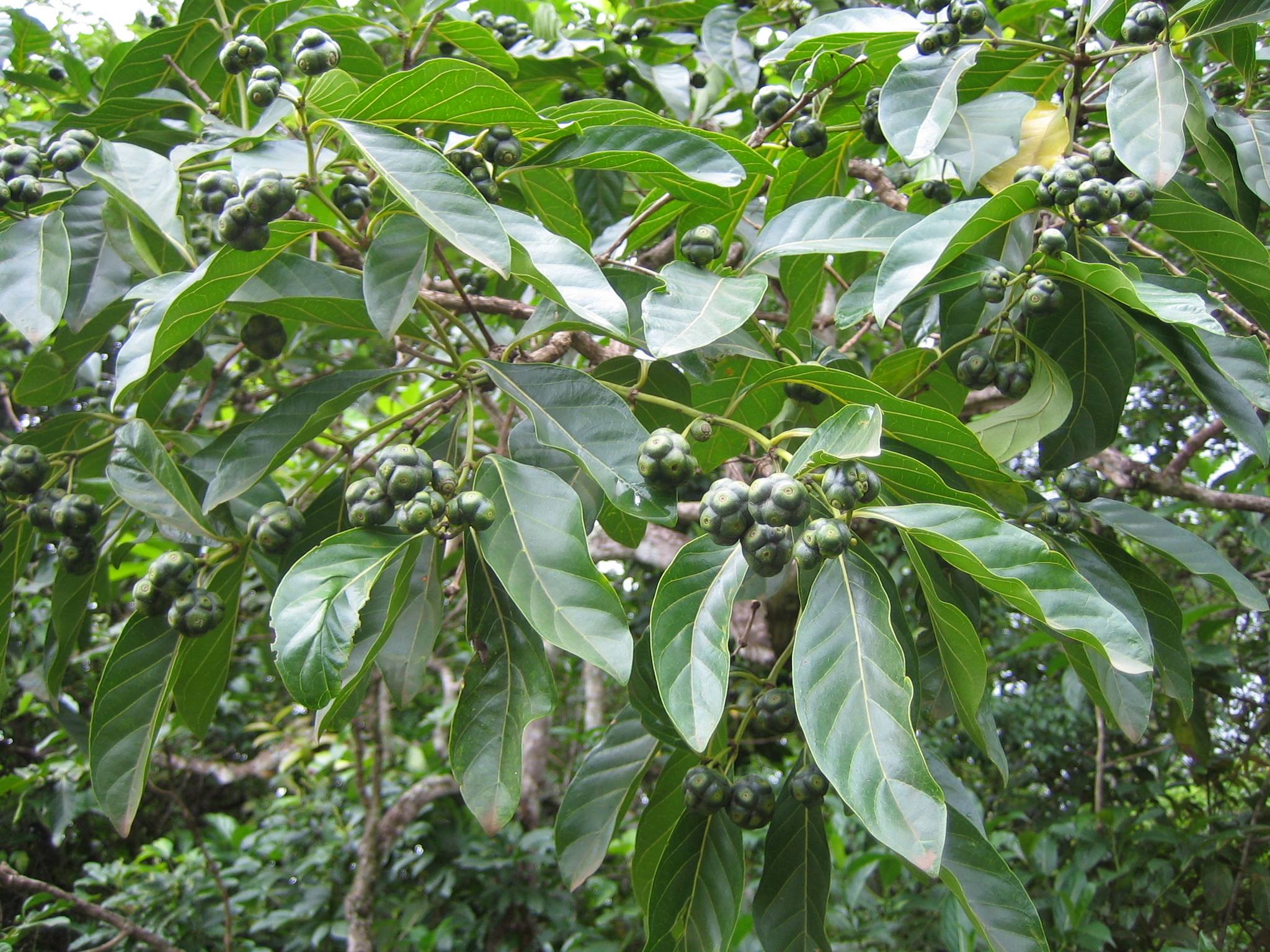
A sacred healer of bitter taste and powerful cure, standing strong along the Tano River’s banks
Scientific Name:Morinda lucida
Common names: Brimstone tree, African mulberry, “Konkroma” (Akan), “Sinzin” (Baoulé), “Oruwo” (Yoruba), “Mouron amer” (Fr.)
Family: Rubiaceae (coffee family)
Habitat and Distribution
Morinda lucida is a tropical African medicinal tree, native to:
- West and Central Africa, including Ghana, Côte d’Ivoire, Nigeria, Togo, and Benin
In theTano River Basin:
- Found in forest-savannah mosaics, moist lowlands, and riverside clearings
- Grows along village paths, sacred groves, and river terraces
- Prefers:
- Well-drained soils
- Sun or partial shade
- Areas near traditional healer compounds or community herbal gardens
It is both wild and cultivated, valued as a reliable medicine tree by generations of local people.
Botanical Description
- Size: Small to medium-sized tree, usually 5–12 meters tall
- Leaves: Simple, shiny, oval, with prominent veins and bitter taste
- Flowers: Small, white, star-shaped, fragrant
- Fruits: Greenish to yellow, mulberry-like drupes when ripe
- Bark: Grey-brown, fissured, with orange-yellow interior (used medicinally)
The tree has a sturdy trunk and often grows upright with a rounded canopy.
Ecological Role
- Grows well in disturbed habitats, helping with land restoration
- Pollinated by bees and flies, with fruit eaten by birds and small mammals
- Provides shade and soil protection in farm edges and home gardens
- Its deep roots make it suitable for riverbank stabilization
Traditional Medicinal Uses
One of the most respected malaria herbs in West African herbal medicine:
Uses of bark, leaves, and roots:
- Treats:
- Malaria and fever
- Typhoid, jaundice, and liver issues
- Menstrual pain, infertility, and postpartum bleeding
- Wounds, skin infections, and diabetes
Preparation:
- Bark or leaf infusions and decoctions
- Steam inhalation for fever
- Soaked roots for general cleansing
The bitter taste is well-known and accepted, often seen as a sign of its potency.
Spiritual and Cultural Importance
In traditional Akan, Nzema, and Baoulé beliefs:
- Morinda lucida is used in ritual cleanses to “drive out illness”
- Administered during initiation rites and ancestral healing ceremonies
- Called a “truth tree” — associated with purification and spiritual justice
- Burned or boiled in protective spiritual baths
Because of its bitterness and strength, it is considered a plant of warriors, healers, and elders.
Conservation and Safety
- Still widespread but under pressure due to:
- Overharvesting of bark and roots
- Lack of replanting in wild zones
- Conservationists recommend:
- Agroforestry integration
- Sustainable harvesting (leave bark intact on one side)
It is often undervalued in modern forestry, despite its proven medicinal value.
Why It Matters for the Tano River
Morinda lucida is:
- A pillar of traditional medicine in riverside villages
- A symbol of truth, resilience, and deep healing
- A tree that connects body, spirit, and river in a powerful way
Where the Tano flows, the brimstone tree still grows — guarding life with bitter strength.
🔗 Do you have stories, remedies, or photos of this sacred healer? Share them with the community at [TanoRiver.com/submit]