Hystrix cristata – Le porc-épic à crête
Cet article n’est pas encore disponible en français : vous lisez la version originale en anglais. Voir la page anglaise
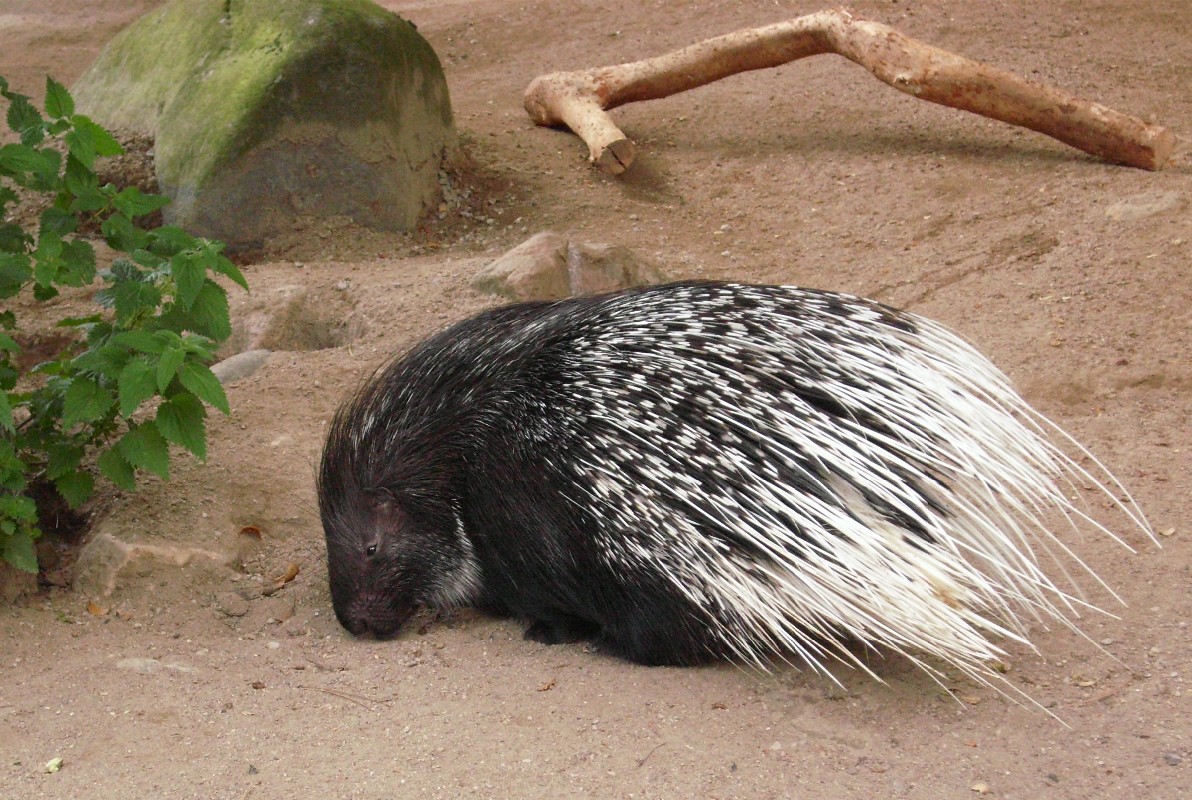
A nocturnal guardian of the forest floor, spiny and bold beneath the shadows of the Tano
Quick Facts
- Common Name: Crested Porcupine
- Scientific Name: Hystrix cristata
- Family: Hystricidae
- IUCN Status: Least Concern
- Size: 60–80 cm body length; 13–27 kg
- Activity: Nocturnal
- Habitat: Forest edges, savannas, rocky outcrops, and riverine woodlands
Distribution and Habitat
The Crested Porcupine is native to Africa, particularly:
- North and Sub-Saharan Africa, including parts of Côte d’Ivoire and Ghana
In theTano River region, it is:
- Occasionally encountered in woodland margins or dry river valleys
- Likely present in the Tanoé-Ehy Forest edge zones and agricultural fringes
- Roaming at night, foraging through farmland and forest clearings
It uses burrows, rock crevices, or old termite mounds for daytime shelter.
Appearance
- Color: Dark brown to black body with white-striped quills
- Quills: Long, stiff, and hollow — used for rattling or defensive stabbing
- Crest: Long erectile quills on the neck and back form a dramatic "mane"
- Tail: Short with hollow quills that produce a rattling warning sound
A striking figure of the forest, its armor is both a signal and shield.
Behavior and Diet
- Nocturnal: Emerges after dusk to feed
- Diet: Herbivorous
- Roots, tubers, bark, fallen fruit
- Known to gnaw bones and antlers for calcium
- May raid farms and gardens, targeting cassava, maize, or yam
Leaves behind trails of disturbed soil, quills, or gnawed roots.
Reproduction
- Monogamous or pairs with strong bonds
- Gestation: ~3 months
- Litter size: 1–3 young, born with soft quills that harden after birth
- Young are weaned in 2–3 months but stay with family groups
They are highly protective parents, and even young porcupines rattle or stomp when threatened.
Ecological Role
The crested porcupine contributes to the ecosystem by:
- Soil aeration through digging
- Seed dispersal and plant trimming
- Providing prey remains (bones, shells) that contribute to forest calcium cycles
Its burrows are often reused by other animals like mongooses and snakes.
Conservation Concerns
Though listed as Least Concern, local threats include:
- 🧱 Hunting for bushmeat and quills (used for jewelry and decoration)
- 🚧 Roadkills, as it moves across paths at night
- ⚠️ Retaliation killings by farmers due to crop damage
- 🔇 Misidentification — some people confuse them with pest species
They are mostly non-aggressive, only defending when cornered.
Why It Matters for the Tano River
The Crested Porcupine is:
- A symbol of silent strength, thriving beneath the forest canopy
- Part of a nocturnal world rarely seen but deeply woven into river ecology
- A reminder that defense can be peaceful, and that balance matters
Their rattling quills echo through the night like a forest drum — warning, not waging war.
🔗 Have you found porcupine quills, tracks, or stories from elders about spiny forest creatures? Share your encounters at [TanoRiver.com/submit]