Hydrictis maculicollis – La loutre à cou tacheté
Cet article n’est pas encore disponible en français : vous lisez la version originale en anglais. Voir la page anglaise
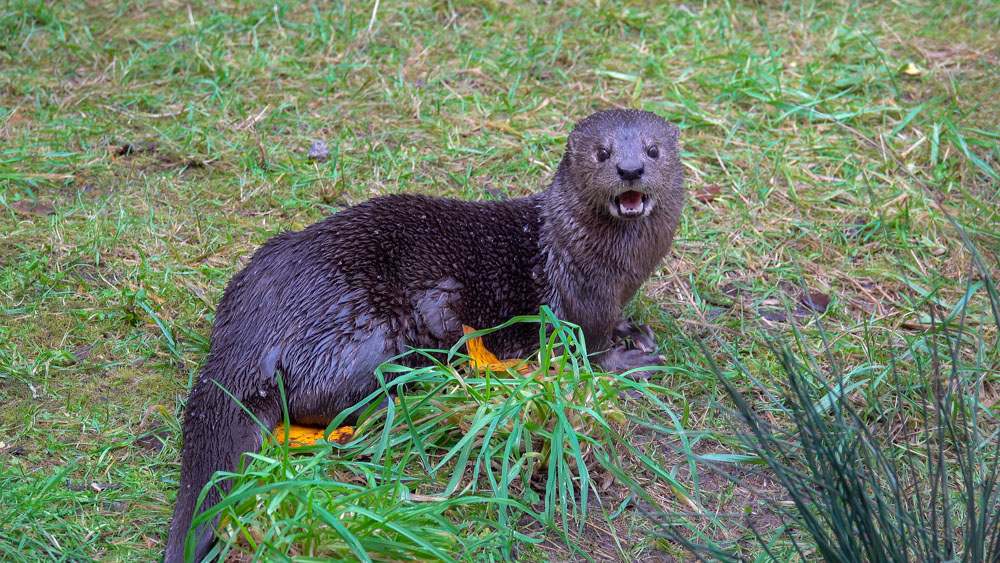
A sleek swimmer of West Africa’s rivers, gliding silently through the Tano’s waters in search of fish and peace
Quick Facts
- Common Name: Spotted-Necked Otter
- Scientific Name: Hydrictis maculicollis
- Family: Mustelidae (Otters, weasels, badgers)
- IUCN Status: Near Threatened
- Length: ~55–70 cm (excluding tail)
- Tail: ~35–45 cm
- Weight: ~4–7 kg
- Activity: Diurnal, especially active at dawn and dusk
- Habitat: Freshwater rivers, streams, lakes, and wetlands with clean water
Distribution and Habitat
The Spotted-Necked Otter is native to freshwater systems throughout sub-Saharan Africa, including:
- Côte d’Ivoire, Ghana, Nigeria, DR Congo, Uganda, and Zambia
In theTano River Basin, it may occur:
- In quiet river stretches, lagoons, and marshes
- In and around the Tanoé-Ehy wetland complex
- Where fish are plentiful and human disturbance is minimal
Its presence is closely tied to water quality—it disappears quickly from polluted or overfished rivers.
Appearance
- Fur: Brown with distinctive pale spots or blotches on the throat and neck
- Build: Slender, streamlined body with strong webbed feet
- Eyes and ears: Small and adapted for aquatic life
- Tail: Thick and powerful, used like a rudder
It is one of the most graceful and playful aquatic mammals in Africa.
Behavior and Diet
- Diet:
- Mainly fish, but also crustaceans, frogs, and aquatic insects
- Excellent diver: can stay underwater for up to 2 minutes
- Forages alone or in small family groups
- Dens in hollow logs, riverbanks, or under rocks
It is known for playful behavior—sliding on mudbanks, chasing fish, and leaping in the water.
Reproduction
- Breeding can occur year-round in tropical climates
- Gestation: ~2 months
- Litter size: 1–3 pups
- Young are born in a secure den and nursed for several months
- Pups are taught to swim by the mother around 2–3 months of age
Family bonds are strong, and the group stays together while raising young.
Ecological Importance
Spotted-Necked Otters play vital roles in:
- Controlling fish populations, maintaining river balance
- Indicating ecosystem health—presence signals clean, healthy freshwater
- Providing food for large predators, such as crocodiles or eagles
They help maintain the biodiversity and stability of aquatic ecosystems.
Conservation Concerns
Although not yet endangered, the species faces growing threats:
- 🧪 Water pollution, especially from mining and agricultural runoff
- 🐟 Overfishing, leading to food shortages
- 🌳 Destruction of riverine vegetation and wetland degradation
- 🛶 Disturbance by humans, especially near dens and during breeding
It is particularly sensitive to any reduction in water quality or disturbance of riverbanks.
Why It Matters for the Tano River
The Spotted-Necked Otter is:
- A flagship species for freshwater conservation
- A sign of clean water and balanced aquatic life
- A charismatic mammal that could become a symbol of river protection efforts
Its presence in the Tano River is a reminder of what’s at stake—and what can still be preserved.
🔗 Have you seen an otter or tracks along the riverbanks? Help us map otter sightings at [TanoRiver.com/submit]