Hibiscus rosa-sinensis – L’hibiscus tropical (non indigène)
Cet article n’est pas encore disponible en français : vous lisez la version originale en anglais. Voir la page anglaise
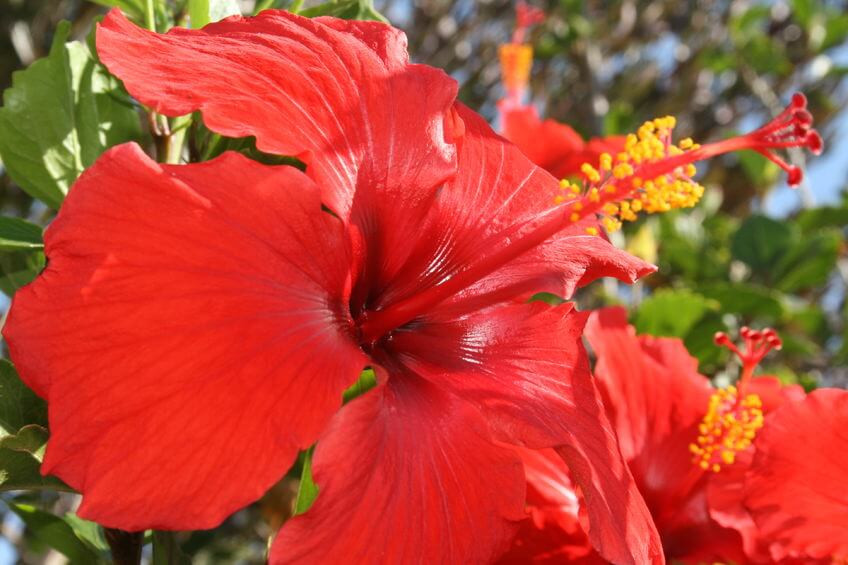
A symbol of vitality, healing, and everyday beauty along the Tano River
Scientific Name:Hibiscus rosa-sinensis
Common names: Tropical hibiscus, Chinese hibiscus, “Aboa bↄ” (Akan), “Fleur d’hibiscus” (Fr.), “Sobe” (Baoulé)
Family: Malvaceae (mallow family)
Habitat and Distribution
Although native to Asia, Hibiscus rosa-sinensis has become a widely cultivated flower across West Africa, and is:
- Found in village gardens, compound fences, and schoolyards
- Occasionally naturalized along paths, farms, or forest edges
- Grown near homes along the Tano River Basin, especially in settlements and forest clearings
It thrives in tropical climates with ample sun and moisture.
Botanical Description
- Flowers: Large, vivid blooms (typically red, pink, yellow, or orange), trumpet-shaped with prominent stamens
- Leaves: Glossy, dark green, oval with serrated edges
- Plant type: Woody shrub or small tree, 1.5–3 meters tall
- Blooming: Almost year-round in warm regions
Each bloom lasts just a day, but the plant flowers continuously, creating a living wall of color.
Ecological Role
- Attracts bees, butterflies, hummingbirds, and sunbirds
- Provides shade and privacy in home gardens
- Can be used for erosion control on sloped terrain
While cultivated, hibiscus contributes to urban biodiversity and supports local pollinators.
Culinary and Medicinal Uses
Though Hibiscus rosa-sinensis is less commonly used in tea than Hibiscus sabdariffa (Roselle), it still holds local medicinal value:
Traditional Uses:
- Infusions from petals used to:
- Treat menstrual cramps and pain
- Lower fever or blood pressure
- Alleviate coughs and chest pain
- Crushed petals may be applied to:
- Skin irritations
- Wounds or insect bites
In some villages near the Tano River, the bright red flowers are included in healing baths, especially for young girls or postpartum mothers.
Cultural and Symbolic Significance
In many West African homes and traditions, the hibiscus is:
- A symbol of beauty, femininity, and passion
- Used as a gift flower in romantic or friendly settings
- Planted along paths to river shrines or used in floral offerings during festivals
In some rural beliefs, the flower’s short life span symbolizes ephemeral joy or youthful beauty, reinforcing its place in ceremonies for weddings and first births.
Threats and Notes
- Not endangered, but:
- Hybrid varieties may replace traditional red hibiscus in some regions
- Herbal knowledge associated with it is declining among urban youth
- Sometimes mistakenly removed as “ornamental” without understanding its cultural or medicinal value
Why It Matters for the Tano River
Though not a wild native, Hibiscus rosa-sinensis is a vital cultural plant along the Tano:
- It beautifies human settlements near the river
- Connects people to herbal medicine, celebration, and femininity
- Its flowers reflect the vibrancy of riverine life
🔗 Have a hibiscus garden or story from the Tano region? Share it with us at [TanoRiver.com/submit]