Les céphalophes des forêts du fleuve Tano (Tanoé)
Cet article n’est pas encore disponible en français : vous lisez la version originale en anglais. Voir la page anglaise
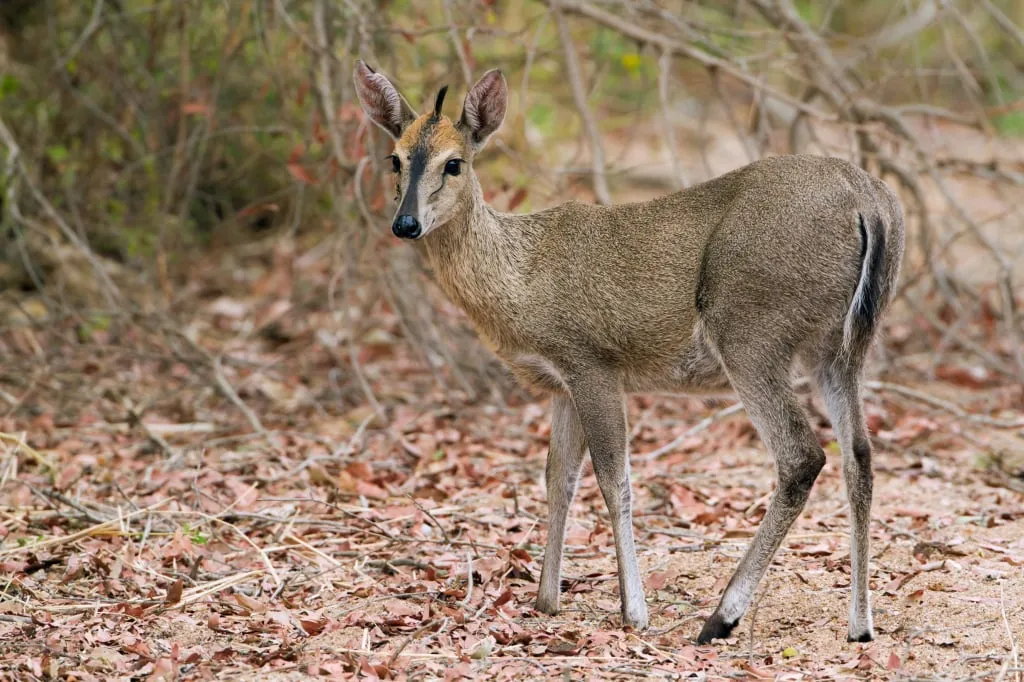
Shy forest dwellers, silent steps beneath the canopy
What Are Duikers?
Duikers are a group of small to medium-sized antelopes belonging to the subfamily Cephalophinae, native to sub-Saharan Africa. The name "duiker" comes from the Afrikaans word for "diver," referring to their tendency to dive into dense vegetation when startled.
Duikers in the Tano River Region
In the forests and wetlands surrounding the Tano River, especially the Tanoé-Ehy Forest Reserve and adjoining protected zones in Ghana and Côte d’Ivoire, the following duiker species have been observed or reported:
1.Bay Duiker (Cephalophus dorsalis)
- Reddish-brown coat with darker dorsal stripe
- Prefers dense, swampy rainforest
- Active mainly at night
- Eats fruits, leaves, fungi, and bark
2.Black Duiker (Cephalophus niger)
- Shiny black or very dark brown coat
- Smaller and more secretive than the bay duiker
- Found in lowland evergreen forest
- Often solitary and difficult to observe
3.Yellow-backed Duiker (Cephalophus silvicultor)
- Largest duiker species
- Characterized by a yellowish "saddle patch" on the back
- Listed as Endangered
- Roams in deep forest, but can travel far for food
- Plays an important role in seed dispersal
These three represent the rich diversity of forest antelopes in the Tano Basin.
Behavior and Ecology
- Diet: Omnivorous — eat a mix of fruit, seeds, leaves, shoots, fungi, and even small animals
- Habitat: Prefer dense understory, often near streams or wetlands
- Activity: Mostly nocturnal or crepuscular (active at dawn and dusk)
- Social life: Solitary or in pairs; maintain territories using scent glands
Their cryptic coloration and cautious behavior make them hard to detect, even in protected forests.
Cultural and Local Knowledge
- Known to local people by various names:
- Baoulé: "Kpè" or "Gbla"
- Akan (Twi): "Akyea" or "Akɔmfɛm" (sometimes used more broadly for forest antelopes)
- Featured in folktales and hunting lore, where duikers symbolize:
- Stealth, alertness, and the spirit of the underbrush
They are often hunted for bushmeat, but some communities observe taboos or seasonal hunting restrictions.
Threats to Duikers in the Tano Region
- ❌ Habitat loss from logging, gold mining, and agriculture
- ❌ Hunting pressure for meat in both rural and urban markets
- ❌ Forest fragmentation, cutting them off from safe corridors
Duikers are particularly vulnerable because they breed slowly and rely on continuous canopy cover.
Conservation Actions
- Presence confirmed in the Tanoé-Ehy Forest, one of the last coastal swamp forests in West Africa
- Conservation efforts include:
- Community-led forest protection
- Eco-guard patrols and camera trapping
- Public awareness about their ecological role
Protection of primary forest and buffer zones along the Tano is essential to prevent their extinction.
Why Duikers Matter for the Tano River
Duikers are:
- Natural seed spreaders, helping regenerate trees and maintain biodiversity
- Indicators of intact, undisturbed forests
- Living symbols of quiet resilience and forest mystery
In the stillness of the Tano’s forest floor, duikers walk unseen — yet their presence tells us the forest still breathes.
🔗 Have you seen or heard duikers near the Tano River? Share your story or forest experience at [TanoRiver.com/submit]