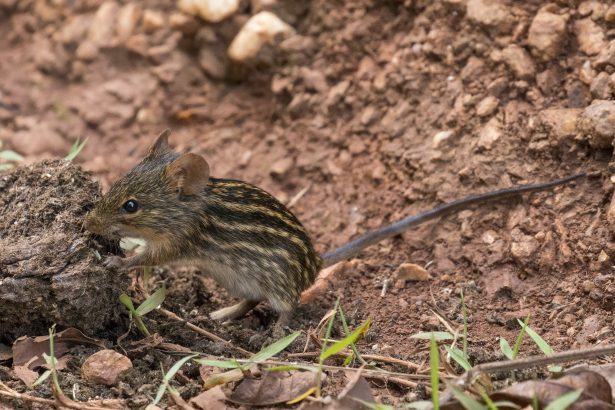
Dasymys rufulus – Le rat hirsute d’Afrique de l’Ouest
Cet article n’est pas encore disponible en français : vous lisez la version originale en anglais. Voir la page anglaise
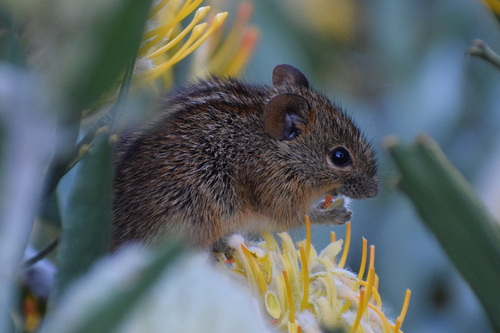
A quiet resident of swampy margins and grassy riverbanks, cloaked in dense, water-resistant fur
Quick Facts
- Common Name: West African Shaggy Rat
- Scientific Name: Dasymys rufulus
- Family: Muridae
- IUCN Status: Least Concern, but habitat-specific
- Size: Head-body ~13–17 cm; tail ~10–15 cm
- Weight: ~80–150 grams
- Activity: Nocturnal
- Habitat: Swamps, floodplains, river edges, and wet grasslands
Distribution and Habitat
Native to the humid zones of West Africa, this species is found in:
- Côte d’Ivoire, Ghana, Liberia, Nigeria, Sierra Leone, and neighboring countries
In theTano River Basin, it likely inhabits:
- Swampy fringes of the Tanoé-Ehy Forest
- Flooded grasslands and edges of marshy lagoons
- Shaded wet spots along small tributaries and forest puddles
Its survival depends on moist environments with dense ground vegetation.
Appearance
- Fur: Long, dense, and shaggy — grayish to reddish-brown
- Tail: Thick, short, and furred at the base
- Ears: Small and hidden under fur
- Body: Stocky and low to the ground
Its water-resistant coat helps it thrive in wet conditions.
Behavior and Diet
- Primarily nocturnal, active after dusk
- Diet:
- Grasses, reeds, seeds, aquatic plants
- Insects, worms, and small invertebrates
- Excellent swimmer and burrower
- Often forages in tunnels made through tall grasses
It may nest in ground burrows, reed beds, or abandoned animal tunnels.
Reproduction
- Breeds year-round in stable moist conditions
- Gestation: ~3 weeks
- Litter size: 2–6 pups
- Young are born in well-hidden nests lined with plant material and fur
Multiple litters per year are common when food is abundant.
Ecological Role
The West African Shaggy Rat is vital for:
- Vegetation control in wetland zones
- Serving as prey for owls, snakes, mongooses, and civets
- Acting as a bioindicator of wetland health
- Dispersing plant seeds through foraging activity
Its presence supports richer aquatic and semi-aquatic food webs.
Conservation Concerns
Though not globally threatened, it is vulnerable to:
- 🛢 Pollution from mining and agriculture
- 🏞 Wetland destruction due to draining or land conversion
- 🔥 Fires in dry seasons, which eliminate grass cover
- 🧱 Lack of research, leaving many populations unmonitored
In the Tano River Basin, protecting swamp and floodplain habitats is essential for its survival.
Why It Matters for the Tano River
The West African Shaggy Rat is:
- A quiet sentinel of the swampy fringe
- A small mammal with a big role in maintaining wetland biodiversity
- A reminder that not all river life swims or flies — some burrow, rustle, and run
To conserve it is to protect the soft, wet edges of the Tano, where life pulses just below the surface.
🔗 Have you spotted movement in wet grasses at dusk or found small tunnels through swampy reeds? Report your observations at [TanoRiver.com/submit]