Cola nitida et Cola acuminata – Les kolatiers
Cet article n’est pas encore disponible en français : vous lisez la version originale en anglais. Voir la page anglaise
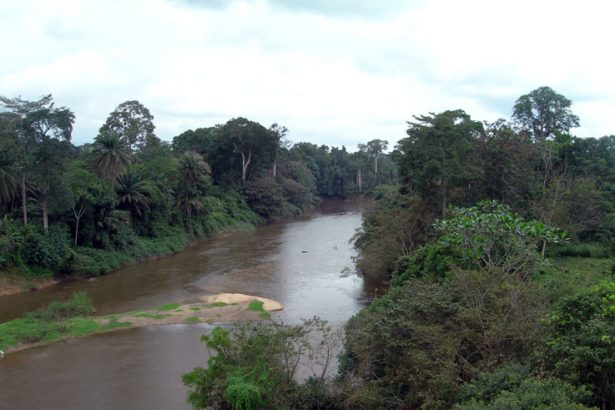
Sacred seeds of energy, trade, and tradition along the Tano River
Scientific Names:
- Cola nitida (smooth kola)
- Cola acuminata (pointed kola)
Common names: Kola tree, Cola nut tree, "Nuwun" (Baoulé), "Bese" (Akan), "Goro" (Hausa)
Family: Malvaceae
Natural Habitat and Distribution
Kola nut trees are native to the tropical rainforests of West Africa, including the Tano River Basin in both Ghana and Côte d’Ivoire. These evergreen trees thrive in humid, lowland forests, often planted in:
- Village groves
- Sacred sites
- Home gardens
- Along riverbanks and forest edges
They are especially prevalent in Akan communities, where kola has ceremonial and social importance.
Botanical Characteristics
- Height: 10–20 meters tall
- Leaves: Glossy, dark green, oblong
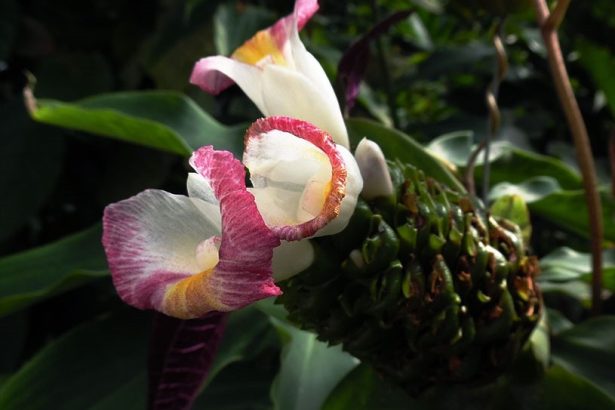
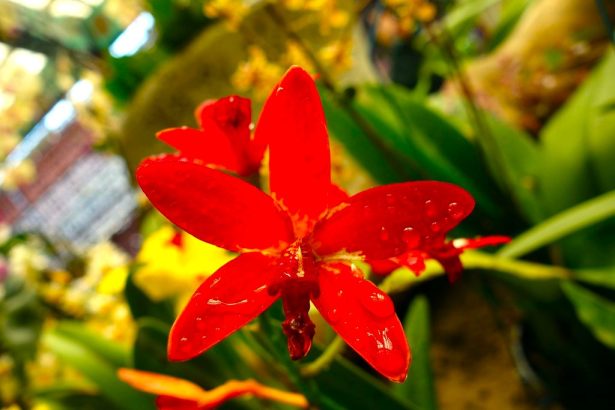
- Flowers: Small, star-like, cream-colored with purple markings
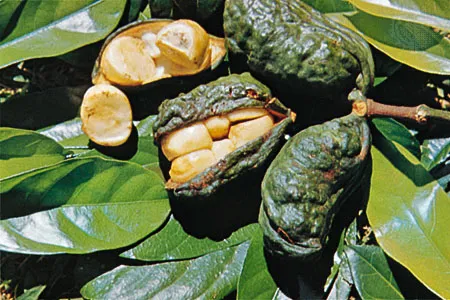
- Fruits: Star-shaped pods that split open to reveal 2–5 bitter, caffeine-rich nuts
There are subtle differences:
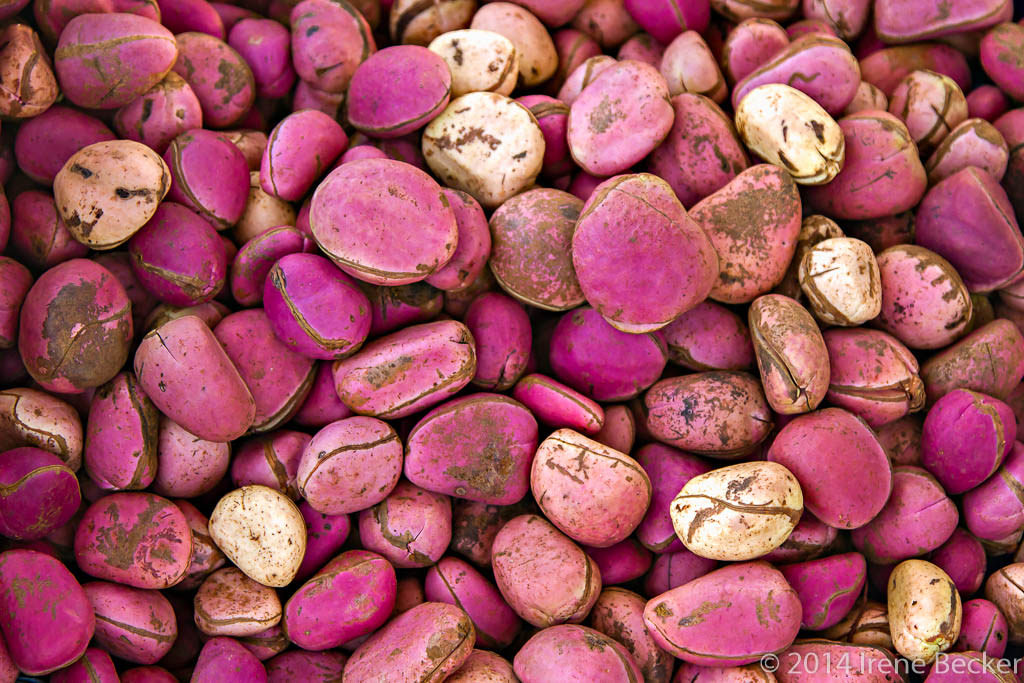
- Cola nitida: smoother pods, typically red nuts
- Cola acuminata: more elongated pods, usually white or pinkish nuts
Ecological Functions
- Kola trees support pollinators like bees and butterflies
- Provide shade and improve soil fertility through leaf fall
- Their dense foliage creates microhabitats for insects and birds
- Seeds may be dispersed by animals and humans, contributing to forest regeneration
Cultural, Spiritual & Social Importance
The kola nut is a powerful symbol in West African culture, especially among Akan, Baoulé, Yoruba, and Hausa peoples. Along the Tano River, it plays a central role in:
- Ceremonial greetings: Offering kola is a gesture of respect and hospitality
- Marriage and family rituals
- Libations and ancestor worship
- Conflict resolution and oath-taking
- Divination rituals
In many traditions, “No ceremony is complete without kola.”
Trade and Economic Role
Kola has long been a cash crop and item of inter-regional trade, historically carried on canoes and trade caravans across West Africa — including through the Tano River corridor.
- Used as a natural stimulant due to caffeine and theobromine
- Chewed raw for energy and alertness
- Used to flavor traditional drinks and, historically, Coca-Cola
- Sold in markets across Ghana, Nigeria, and Côte d’Ivoire
Farmers along the Tano often intercrop kola with cocoa or plantain.
Threats and Conservation Notes
- Kola nut trees are not endangered, but they are vulnerable to:
- Deforestation
- Land conversion for mining or industrial agriculture
- Climate shifts affecting rainfall and pollination
Preserving kola groves is also about preserving culture, since many are tied to sacred rituals and elders' knowledge.
Why It Matters for the Tano River
In the Tano River Basin, the kola tree is a living link between:
- Nature and people
- Trade and tradition
- Ancestral memory and modern use
It stands as a tree of unity, often offered when strangers meet, when peace is needed, or when a promise is made.
🔗 Do you grow kola trees near the Tano River? Send us photos or stories for our “Living Heritage” series at [TanoRiver.com/submit]