Alstonia boonei – L’arbre à cure-dents
Cet article n’est pas encore disponible en français : vous lisez la version originale en anglais. Voir la page anglaise
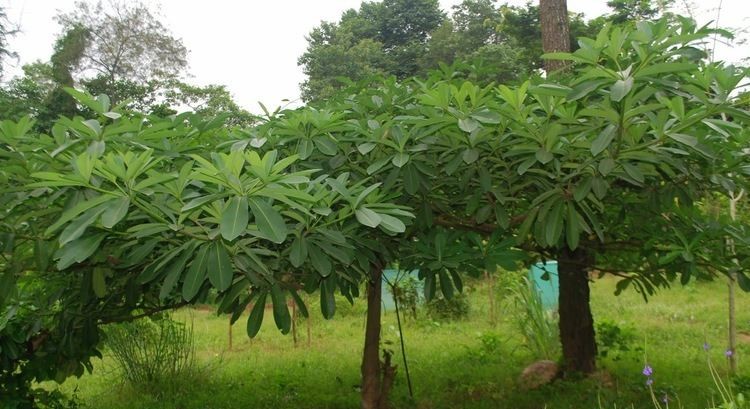
A sacred healer of the forest, trusted by generations across the Tano River Basin
Scientific Name:Alstonia boonei
Common names: Chewing stick tree, "Nyamedua" (Akan), "Ahun" (Yoruba), "God’s tree", "Aré" (Baoulé)
Family: Apocynaceae (dogbane family)
Natural Habitat and Distribution
Alstonia boonei is native to tropical Africa, particularly:
- Ghana, Côte d’Ivoire, Nigeria, Cameroon, and Sierra Leone
- Found in moist semi-deciduous forests
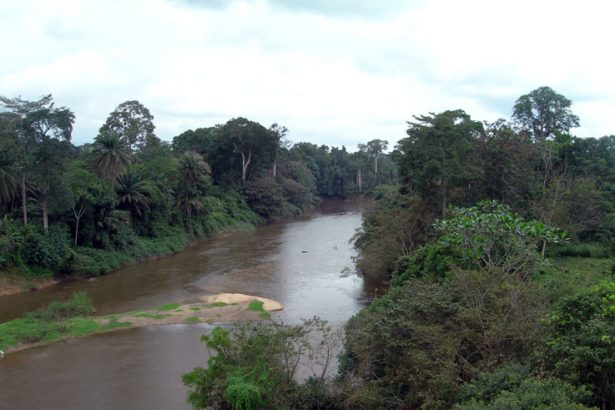
- Grows along riverbanks, village edges, and in sacred groves near rivers such as the Tano
This species thrives in lowland forest zones, making it a key part of the Tano River's medicinal landscape.
Botanical Description
- Height: Medium to large tree, 30–45 meters tall
- Trunk: Tall, straight, cylindrical, pale gray bark
- Leaves: Arranged in whorls of 4–7, glossy and leathery
- Sap: White, milky latex when bark is cut
- Flowers: Small, greenish-white, fragrant
Its bark and twigs are the most valued parts of the tree.
Ecological Role
- Provides shade and windbreak in village and forest-edge environments
- Host tree for birds and insects
- Its deep roots help with soil stabilization
- Grows well in reforestation zones and agroforestry systems
Traditional and Medicinal Uses
1.Chewing Sticks
- The twigs are used as natural toothbrushes
- Antibacterial properties help prevent:
- Gum disease
- Tooth decay
- Mouth infections
Still widely used in rural communities around the Tano River where toothbrushes are unaffordable or avoided.
2.Medicinal Bark and Latex
- Used to treat:
- Fever and malaria
- Arthritis and inflammatory pain
- Wounds and skin infections
- Digestive disorders
- Snakebites and spiritual cleansing
- The bark is boiled for herbal decoctions or pounded for topical use
Known as a "hospital tree" in some communities due to its wide application.
Spiritual and Cultural Significance
- Considered a sacred tree in Akan cosmology
- Known as "Nyamedua", meaning "tree of God"
- Branches or twigs are:
- Used in ritual purification
- Placed at doorways for protection against evil
- Offered during river sacrifices and ancestral rituals
It is often found growing near shrines, rivers, or cemeteries.
Conservation Concerns
- Not officially endangered, but heavily harvested in some regions
- Threats include:
- Bark stripping without regeneration
- Deforestation in riverine zones
- Loss of ethnobotanical knowledge
Sustainable harvesting and replanting programs are needed.
Why It Matters for the Tano River
Alstonia boonei stands at the crossroads of:
- Medicine and environment
- Spirituality and daily life
- Ancestral tradition and forest conservation
In the Tano Basin, it is not just a tree — it is a lifeline, a guardian, and a healer.
🔗 Do you use or protect “Nyamedua” near the Tano River? Share your story at [TanoRiver.com/submit]