Protoxerus ebii – L’écureuil des palmiers d’Ebian
Cet article n’est pas encore disponible en français : vous lisez la version originale en anglais. Voir la page anglaise
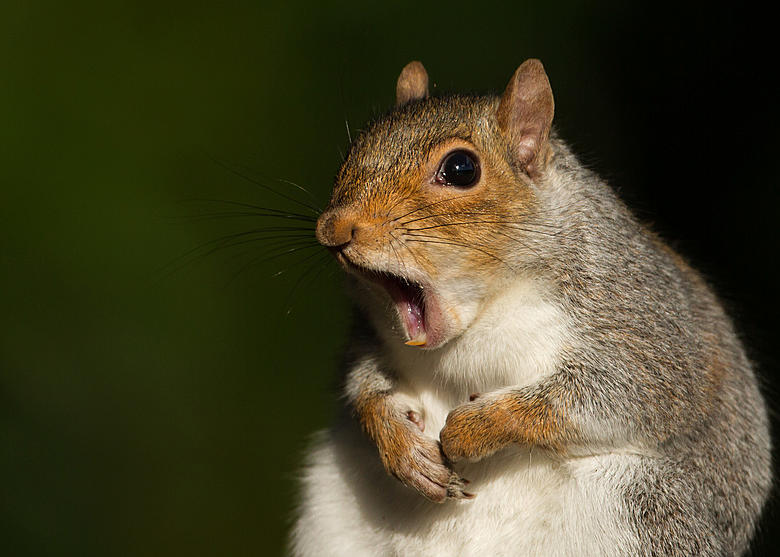
A swift and secretive climber of West Africa’s tall trees, dancing between palms and canopies
Quick Facts
- Common Name: Ebian’s Palm Squirrel
- Scientific Name: Protoxerus ebii
- Family: Sciuridae (squirrel family)
- IUCN Status: Least Concern, but dependent on intact forests
- Size: Head-body ~25–30 cm; tail ~20–25 cm
- Activity: Diurnal (active by day)
- Habitat: Lowland rainforests and tall-canopy palm groves
Distribution and Habitat
Ebian’s Palm Squirrel is native to the Upper Guinean forests of West Africa, found in:
- Côte d’Ivoire, Ghana, Nigeria, Cameroon, and Equatorial Guinea
In theTano River Basin, it likely occurs:
- In palm-rich sections of the Tanoé-Ehy Forest Reserve
- Among tall emergent trees, especially in areas less disturbed by logging
- Foraging along palm fronds, vines, and large canopy branches
It is rarely seen from the ground due to its preference for high forest layers.
Appearance
- Color: Reddish to dark brown fur with whitish underparts
- Tail: Long and bushy, used for balance
- Build: Slender, agile body with strong claws and padded feet
- Head: Large dark eyes and long whiskers, adapted for canopy life
Its rich coloration and elegant tail help it blend into the dappled light of palm crowns.
Behavior and Diet
- Arboreal and solitary, spending most of its life in the treetops
- Diet:
- Palm fruits, nuts, seeds
- May also feed on insects, bark, or sap occasionally
- Uses sharp incisors to crack open hard seeds
- Very agile — capable of long leaps between branches
Often detected by the sound of rustling leaves or seed shells dropping to the forest floor.
Reproduction
- Breeding behavior is poorly documented
- Females likely give birth in tree cavities or constructed leaf nests
- Litter size: Estimated 2–3 young
- Offspring are raised high above ground, far from predators
Ecological Role
Ebian’s Palm Squirrel is important for:
- Seed dispersal, particularly of palm and hardwood species
- Canopy biodiversity, as part of the complex web of treetop life
- Acting as prey for raptors, snakes, and small carnivores
Its movements also influence insect activity and pollination patterns in tall forests.
Conservation Concerns
While listed as Least Concern, it is vulnerable to:
- 🪓 Logging, which removes palm-rich upper canopy habitat
- 🧱 Fragmentation of forest, reducing territory for foraging
- ❌ Low visibility in research, making conservation harder
- 🌾 Palm harvesting, which may reduce food availability
Its survival is tied to the preservation of tall forest ecosystems.
Why It Matters for the Tano River
Ebian’s Palm Squirrel is:
- A canopy specialist, dependent on vertical forest connectivity
- A sign that the Tano River’s forests still hold vertical richness
- A quiet but vital seed guardian, shaping the next generation of trees
To protect it is to protect the uppermost life of the forest — where the river’s breath meets the sky.
🔗 Have you seen squirrels in tall palms or heard leaves rustle far above during the day? Share your observations at [TanoRiver.com/submit]