Malacomys cansdalei – Le rat des marais de Cansdale
Cet article n’est pas encore disponible en français : vous lisez la version originale en anglais. Voir la page anglaise
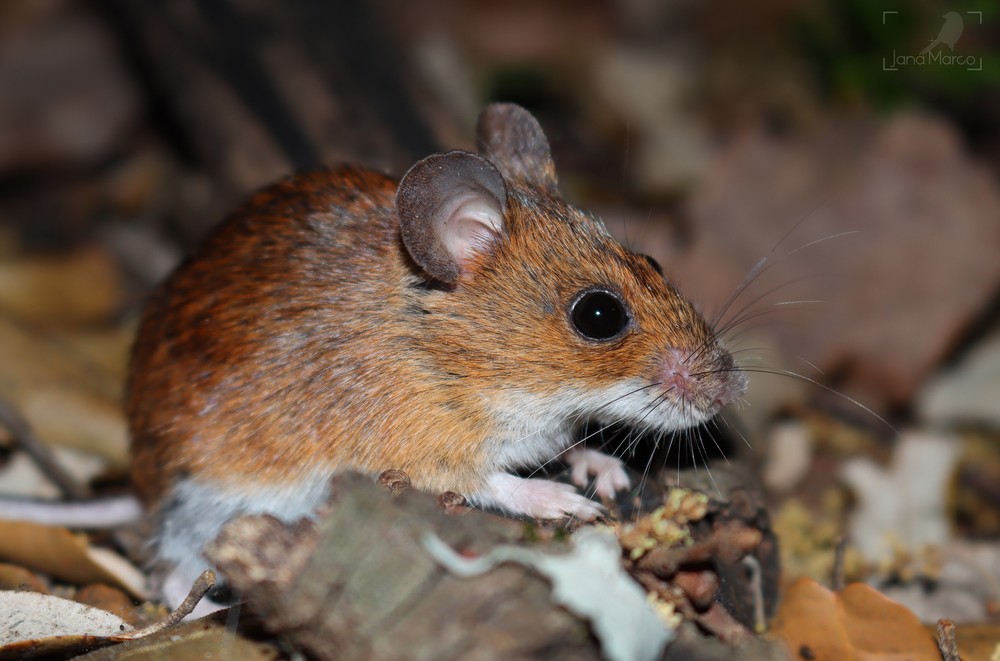
A secretive forager of the wet forest floor, hidden in the marshy undergrowth of the Tano Basin
Quick Facts
- Common Name: Cansdale’s Swamp Rat
- Scientific Name: Malacomys cansdalei
- Family: Muridae
- IUCN Status: Data Deficient (due to limited studies)
- Size: ~20–30 cm total length (including tail)
- Activity: Nocturnal
- Habitat: Wet lowland forests, swamps, and riverine thickets
Distribution and Habitat
Cansdale’s Swamp Rat is a poorly known rodent species found only in a limited part of West Africa, specifically:
- Southeastern Côte d’Ivoire
- Southwestern Ghana
Within theTano River ecosystem, it likely occurs:
- In the Tanoé-Ehy Swamp Forest and marshy lowland areas
- Among dense vegetation along riverbanks, ponds, and forested wetlands
- In leaf litter and fallen logs, especially where human activity is minimal
Appearance
- Fur: Dark brown to greyish, soft and dense
- Tail: Long, sparsely haired, usually shorter than the head-body length
- Ears: Small and rounded
- Feet: Broad hind feet with some semi-aquatic adaptations
Its overall appearance resembles that of other Malacomys species, adapted to moist environments.
Behavior and Ecology
- Nocturnal and elusive, active mostly at night
- Likely nests in burrows or under dense root mats
- Diet: Presumed to feed on insects, seeds, roots, and aquatic vegetation
- May swim or wade through marshy terrain in search of food
Very little is known due to the species’ rarity and secretive habits.
Reproduction
- Specific breeding patterns are not documented
- Related species show low reproductive output, with 1–3 young per litter
- Likely to nest in dry chambers above water level in swampy zones
Ecological Significance
Although under-researched, Malacomys cansdalei likely plays a role in:
- Soil aeration through its digging and burrowing
- Invertebrate control, feeding on insects and larvae
- Acting as prey for owls, snakes, mongooses, and civets
Its health reflects the integrity of wet forest ecosystems along rivers like the Tano.
Conservation Concerns
Cansdale’s Swamp Rat is listed as Data Deficient, but may be locally threatened due to:
- 🌳 Swamp forest clearance for agriculture and palm oil
- 🛢 Water pollution from gold mining and chemical runoff
- 🧱 Habitat fragmentation, especially in the Tanoé-Ehy Reserve
- 🧬 Taxonomic uncertainty, making conservation planning difficult
The Tano River basin may be a stronghold for this little-known species.
Why It Matters for the Tano River
Cansdale’s Swamp Rat is:
- A forest mystery, surviving quietly in leaf litter and swampy roots
- A reminder that scientific gaps exist in West Africa’s biodiversity
- A species that could vanish without us ever truly knowing it
Studying and protecting it helps us understand the richness and vulnerability of Tano’s wet ecosystems.
🔗 Have you seen small rodents near swamps or forest streams? Heard rustling near roots or waterholes at night? Share your observations at [TanoRiver.com/submit]