Leptopelis vermiculatus – La rainette forestière vermiculée
Cet article n’est pas encore disponible en français : vous lisez la version originale en anglais. Voir la page anglaise
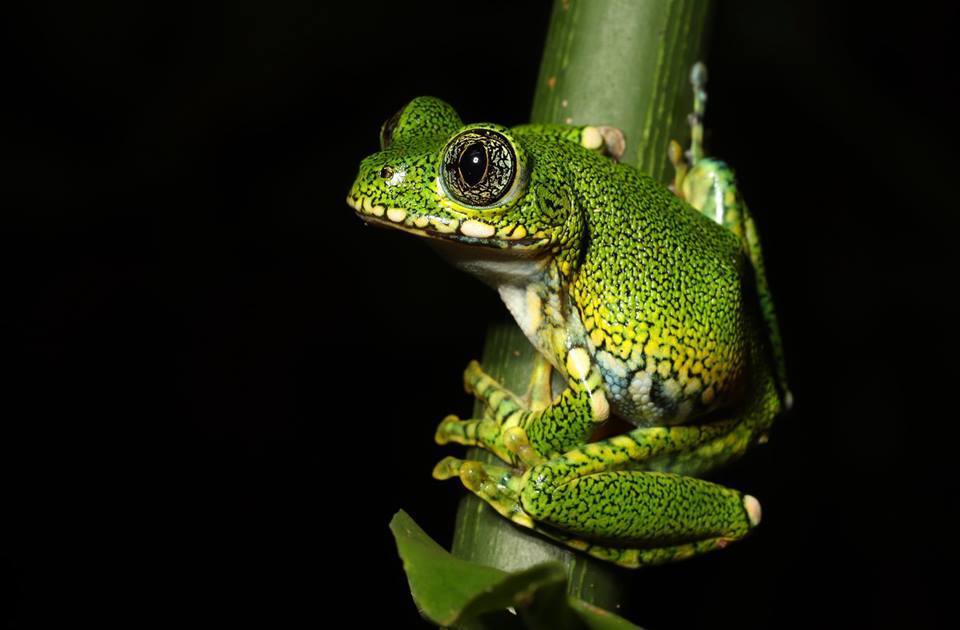
A camouflaged climber of rainforest trees, whispering through the mist of the Tano basin
Quick Facts
- Common Name: Vermiculated Forest Tree Frog
- Scientific Name: Leptopelis vermiculatus
- Family: Arthroleptidae
- IUCN Status: Near Threatened (some populations may be at higher risk)
- Size: 40–70 mm (males smaller than females)
- Activity: Nocturnal and arboreal
- Habitat: Lowland rainforest, swamp forest, and gallery forest margins
Distribution and Habitat
While Leptopelis vermiculatus is most commonly recorded in East Africa, particularly Tanzania, some closely related species in the Leptopelis genus exhibit similar morphology and habits in West Africa, including in regions like:
- Côte d’Ivoire and Ghana, particularly the Tanoé-Ehy Forest Reserve and other swampy rainforest zones
Thus, frogs similar to or misidentified as L. vermiculatus may occur in the Tano River ecosystem, especially within understudied herpetofauna communities.
Appearance
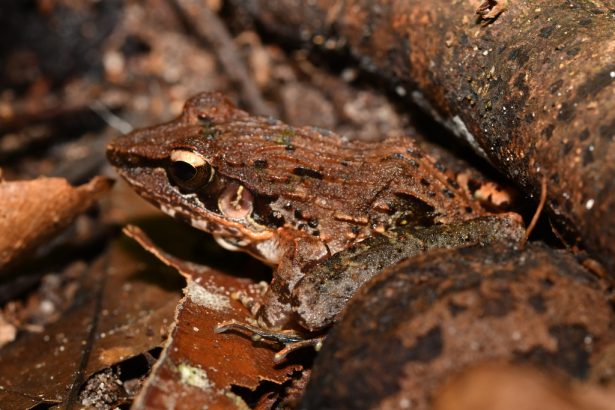
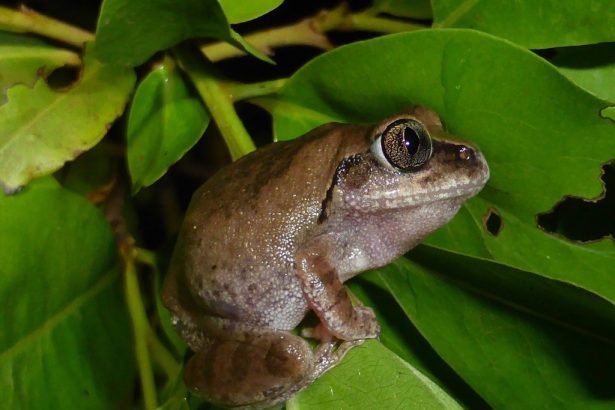
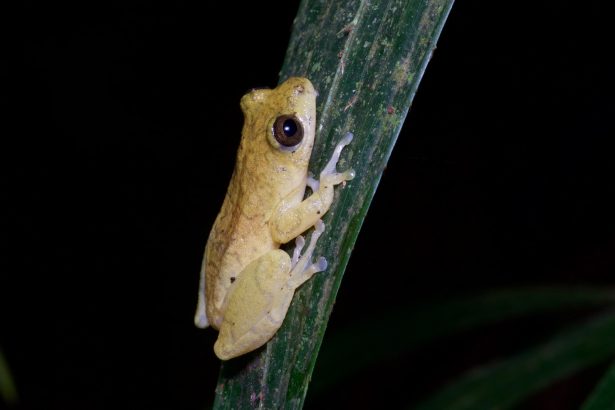
- Coloration: Typically green or brown with dark, wavy ("vermiculated") markings across the back
- Eyes: Large, with a horizontal pupil and often copper or golden iris
- Body: Slender and muscular, built for climbing
- Toes: Equipped with wide toe pads for clinging to leaves and branches
Its camouflage allows it to blend perfectly with mossy tree bark and dense foliage.
Behavior and Ecology
- Nocturnal climber: Active during rainy nights, climbing trees and shrubs
- Call: Males produce a distinctive "quack"-like call to attract females from elevated perches
- Diet: Insects and small invertebrates (flies, moths, beetles)
- Shelter: Rests in tree holes, leaf axils, or dense foliage during the day
These frogs are particularly vocal and visible after heavy rains.
Breeding
- Breeding occurs during the rainy season
- Males call from trees or low vegetation near temporary forest pools
- Females lay eggs in moist soil or near water, and tadpoles are washed into pools after hatching
- Tadpoles are free-swimming and herbivorous, developing in quiet waters
Ecological Importance
The vermiculated tree frog (and related Leptopelis species) plays a role in:
- Controlling insect populations, especially at night
- Supporting amphibian diversity in forest canopies and swamp zones
- Acting as bioindicators for forest health and water quality
Their presence often marks undisturbed canopy–understory connectivity.
Conservation Concerns
Though not critically endangered, Leptopelis vermiculatus and its relatives face serious threats in forested areas like the Tano River Basin:
- 🌳 Habitat loss from agriculture and illegal mining
- 🛢 Water pollution, especially from galamsey operations
- ❌ Deforestation, which removes canopy and egg-laying sites
- 🔇 Under-research, making it hard to assess true population health
Why It Matters for the Tano River
Whether L. vermiculatus itself or a closely related species, these frogs:
- Represent the upper layer of forest amphibian life
- Depend on clean, shaded pools and intact forest canopies
- Reflect the subtle, beautiful lifeforms hiding in the forest mist
Their call is a reminder of all we still don’t know — and must protect — in West Africa’s green heart.
🔗 Have you heard frog calls from trees during rainy nights? Do you know of frogs with bright eyes and green skin near your farms or forests? Share your experience at [TanoRiver.com/submit]