Crocidura obscurior – La musaraigne pygmée d’Afrique de l’Ouest
Cet article n’est pas encore disponible en français : vous lisez la version originale en anglais. Voir la page anglaise
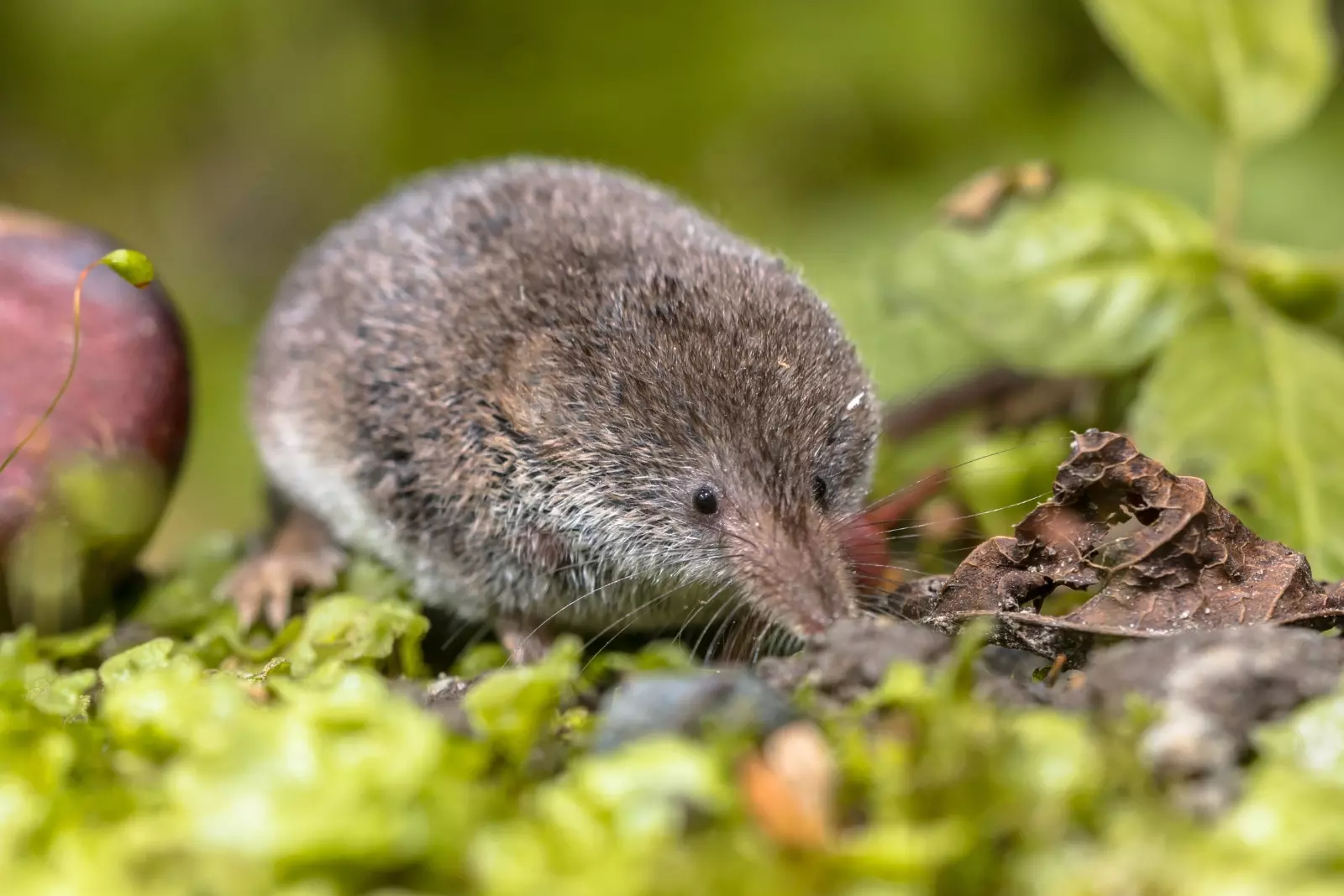
A tiny, secretive insectivore, rustling through the shadows of the Tano River’s leaf litter
Quick Facts
- Common Name: West African Pygmy Shrew
- Scientific Name: Crocidura obscurior
- Family: Soricidae (Shrews)
- IUCN Status: Least Concern, but habitat-dependent
- Size: ~6–7 cm (excluding tail); ~3–5 grams
- Activity: Nocturnal and crepuscular
- Habitat: Moist lowland forest floor, swamps, dense underbrush
Distribution and Habitat
Native to West Africa, including:
- Côte d’Ivoire, Ghana, Liberia, Sierra Leone, and Guinea
In theTano River Basin, it is likely found:
- In undisturbed forest understory
- Beneath leaf litter, rotting logs, and mossy roots
- Close to swampy clearings and shaded forest pools
It is rarely seen, but occasionally captured in pitfall traps by researchers.
Appearance
- Color: Soft dark grey to brownish-grey fur
- Tail: Slender, sparsely furred, nearly as long as the body
- Snout: Long and pointed, ideal for probing the soil
- Eyes and ears: Very small; this shrew relies mostly on touch and smell
Its miniature size and fast movement make it nearly invisible in the wild.
Behavior and Diet
- Extremely active, with a very high metabolism
- Diet:
- Small insects, ants, termites
- Worms, larvae, spiders, and tiny snails
- Constantly foraging — it may eat every few hours to survive
- Uses sensitive whiskers to navigate and locate prey in darkness
If deprived of food for even a few hours, it can quickly perish — a true survivor on a tight energy budget.
Reproduction
- Breeds throughout the year, with multiple litters annually
- Litter size: 2–5 tiny, helpless young
- Nests are made in hidden burrows, roots, or leaf nests
Young are fully dependent on the mother for warmth and feeding in their early days.
Ecological Importance
Though small, the West African Pygmy Shrew is vital for:
- Controlling insect populations
- Serving as prey for snakes, owls, and carnivorous mammals
- Indicating forest floor health and microhabitat stability
Their foraging helps aerate the soil and reduce pest pressure.
Conservation Concerns
While currently listed as Least Concern, this species may face pressure from:
- 🪓 Deforestation and land clearing
- 🛢 Pollution affecting invertebrate prey availability
- 🔇 Data deficiency, as it’s rarely studied due to its elusive nature
In the Tano region, preservation of moist forest leaf litter is key to its survival.
Why It Matters for the Tano River
The West African Pygmy Shrew is:
- A hidden engine of the forest floor ecosystem
- A quiet reminder that the smallest species can reflect the biggest changes
- A survivor of ancient forests — its heartbeat pulsing beneath the roots of giant trees
To protect this shrew is to protect a layer of life we rarely see, but always need.
🔗 Have you ever seen a tiny blur move through leaf litter or heard high-pitched squeaks after rainfall? Share your observations at [TanoRiver.com/submit]