Brycinus longipinnis – Le tétra à longues nageoires
Cet article n’est pas encore disponible en français : vous lisez la version originale en anglais. Voir la page anglaise
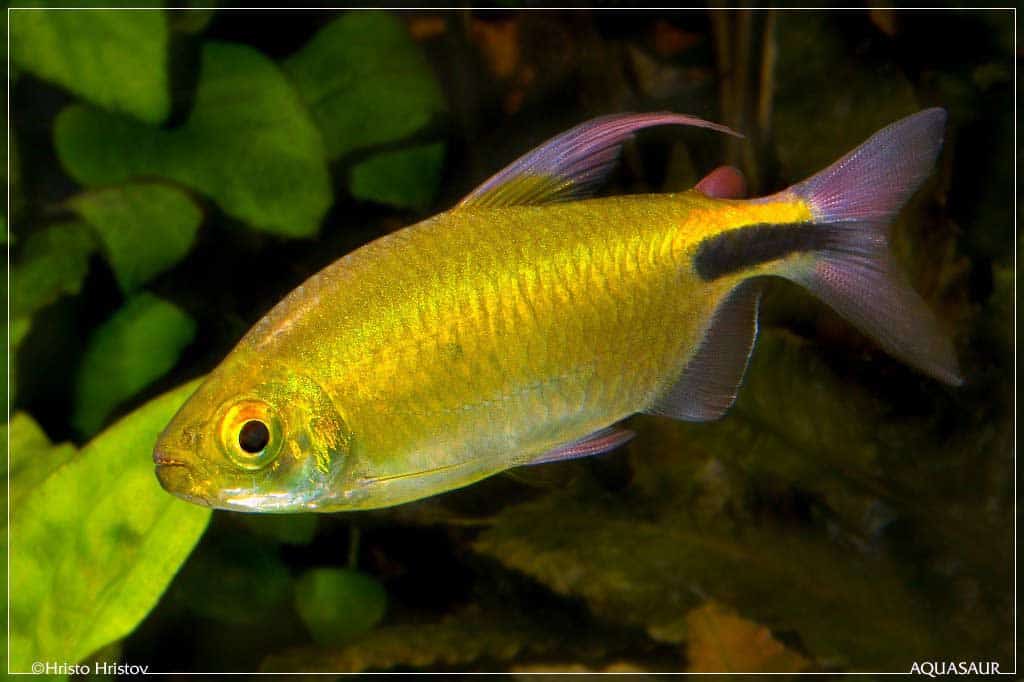
A graceful swimmer of the Tano River, flashing silver beneath the current
Scientific Name:Brycinus longipinnis
Common names: Longfin tetra, African tetra, Silver stream runner
Family: Alestidae (African tetras)
Distribution and Habitat
Native to West Africa, Brycinus longipinnis is found in:
- Ghana, Côte d’Ivoire, Benin, Nigeria, Togo, and neighboring countries
- Inhabits freshwater rivers, streams, and forest waterways
In theTano River Basin, it prefers:
- Clear or slightly turbid water with moderate to fast current
- Well-oxygenated stretches of the river with gravel or sandy beds
- Zones near riparian vegetation, where it finds shelter and food
Its presence is considered a sign of a healthy aquatic ecosystem.
Description
- Size: Up to 15 cm (about 6 inches), though typically smaller
- Coloration:
- Bright silver body with a subtle blue-green sheen
- A horizontal stripe may be visible from head to tail
- Fins: Long, transparent to yellowish, with distinctively extended dorsal and anal fins (hence “longfin”)
- Body Shape: Streamlined, built for agile and continuous swimming
Their shoaling behavior and reflective scales create beautiful flashes of light in moving water.
Behavior and Ecology
- Diet: Omnivorous
- Feeds on aquatic insects, crustaceans, detritus, and algae
- Opportunistic feeder, often foraging in groups
- Activity:
- Diurnal, most active during daylight
- Tends to swim in schools, especially for protection from predators
- Breeding:
- Spawns in flooded grassy areas or among submerged vegetation
- Scatters adhesive eggs, which hatch in a few days
Ecological Role
- Forms a key link in the aquatic food chain, acting as:
- Prey for larger predatory fish, birds, and otters
- Grazer of algae and insects, helping control pest populations
- Shoals help aerate shallow areas and contribute to nutrient cycling
The species thrives in natural, undisturbed river conditions, making it a strong bioindicator.
Local Use and Significance
- Harvested using traditional nets and traps
- Consumed locally:
- Smoked, grilled, or sun-dried
- Often sold in riverside markets
- While not a major commercial species, it supports subsistence fishing and contributes to dietary protein in riparian communities
Conservation Status
- Currently not threatened, but facing localized pressure due to:
- Pollution from illegal mining (galamsey)
- Water diversion, damming, and seasonal flow disruption
- Overfishing during breeding seasons
Preserving natural riverbanks, in-stream vegetation, and community-led fishing regulations are essential to sustaining this species.
Why It Matters for the Tano River
Brycinus longipinnis is:
- A graceful swimmer and agile forager
- A sign of clean, flowing waters
- A key species that ties together biodiversity, nutrition, and tradition
It glides with the current, a shimmering witness to the health and harmony of the river.
🔗 Have you spotted or caught this fish in the Tano River? Share your photos or fishing stories at [TanoRiver.com/submit]