Rainette des roseaux de Bobiri (Hyperolius bobirensis)
Cet article n’est pas encore disponible en français : vous lisez la version originale en anglais. Voir la page anglaise
Status: Critically Endangered
Endemic to: Ghana
Habitat
The Bobiri reed frog is known only from a few isolated locations in southern Ghana, including the Bobiri Forest Reserve, and potentially in similar wet forest habitats near the Boin Tano Forest Reserve and Tano River floodplains. It lives in lowland tropical rainforest, especially near forest-edge ponds, swamps, and ephemeral water bodies.
Its survival depends on humid, undisturbed environments and seasonal wetlands.
Conservation Status
- IUCN Red List: Critically Endangered
- Extremely limited distribution (possibly fewer than 5 known sites)
- Main threats:
- Severe habitat loss from logging, farming, and mining
- Degradation of breeding sites
- Lack of protective legal status and population data
- Climate change reducing the duration of seasonal pools
Description
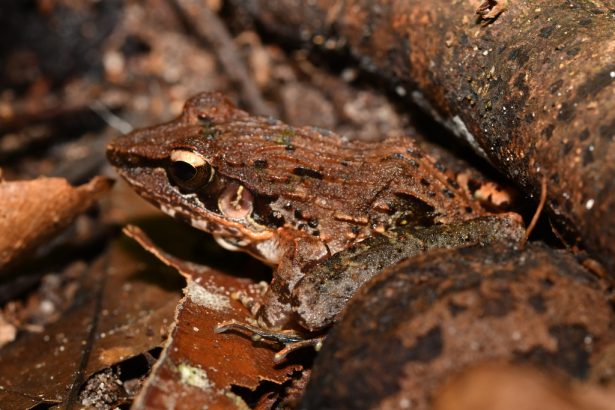
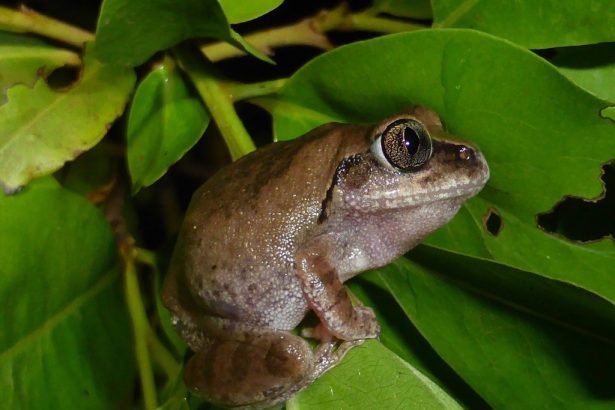
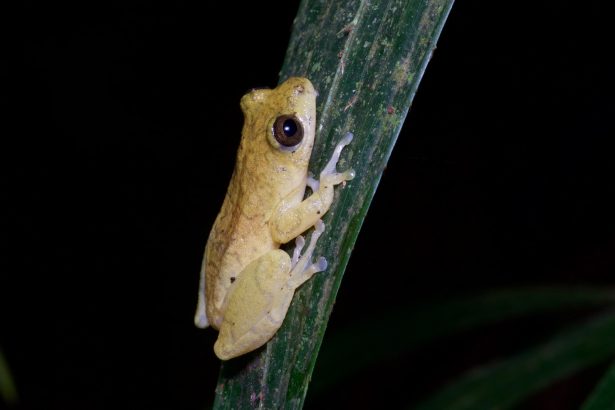
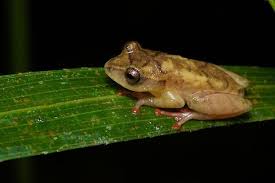
- Small, brightly colored tree frog with greenish to golden tones
- May have distinct markings or mottled patterns on its back
- Slender body, broad toe pads for climbing vegetation
- Emits a high-pitched, rapid call, often during or after rainfall
Behavior
- Nocturnal and arboreal
- Spends the day hidden in vegetation near wetlands
- Males call from grasses or low leaves to attract females during rainy nights
- Lays eggs in temporary water pools or flooded grasses
Ecological Role
- Helps control aquatic insect populations, including mosquitoes
- Provides food for small snakes, birds, and mammals
- Indicator of forest and wetland health
- Sensitive to water pollution and subtle environmental changes
Cultural & Conservation Significance
While not widely known in folklore, frogs like the Bobiri reed frog are spiritually linked to rain, fertility, and forest guardianship in Akan belief systems. Protecting them aligns with traditional reverence for forest spirits and sacred groves.
Saving this species is symbolic of protecting the entire ecological web of the Tano River region.
Conservation Priorities
- Urgently protect remaining habitats (including undiscovered microhabitats)
- Prevent mining, logging, and agriculture in key forest zones
- Fund field research and frog population surveys
- Include this species in Ghana’s national conservation priorities