Les silures bagridés (famille des Bagridae)
Cet article n’est pas encore disponible en français : vous lisez la version originale en anglais. Voir la page anglaise
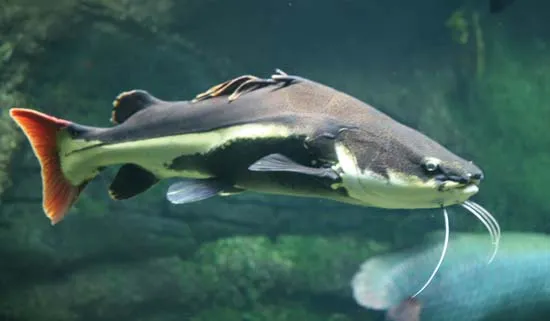
Whiskered dwellers of the Tano's depths — strong, swift, and silent
Overview
Bagrid catfish are members of the family Bagridae, a group of bottom-dwelling freshwater fish found in rivers and lakes across Africa and Asia. Known for their sensitivity to water quality and their economic importance, these catfish are integral to the ecological and cultural fabric of the Tano River Basin.
Habitat and Distribution
In West Africa, bagrid catfish are found in:
- The Volta River system, Bandama, Comoé, and Tano River
- Lakes, streams, floodplains, and slow-moving tributaries
In theTano River, they inhabit:
- Deep pools, muddy river bottoms, and vegetated shorelines
- Calm sections of the river, where they rest during the day and forage at night
Common Species in the Region
While several Bagrid species exist in West Africa, those likely to be found in the Tano River include:
- Bagrus bajad – African sharptooth catfish
- Bagrus docmak – Nile catfish (more common in larger basins)
- Chrysichthys nigrodigitatus – Flathead catfish
- Chrysichthys auratus – Golden catfish
Each species varies slightly in size, color, and behavior, but they share similar habitats and ecological roles.
Physical Characteristics
- Body: Elongated and muscular
- Color: Ranges from brown to dark grey, with some golden or silvery variants
- Whiskers: Four pairs of barbels ("whiskers") for detecting prey in murky waters
- Size: Varies from 20 cm to over 1 meter, depending on the species
- Fins: Strong dorsal and pectoral fins, often with spines
Their sensory barbels make them well-adapted to low-visibility habitats.
Behavior and Ecology
- Nocturnal: Most active at night
- Feeding: Omnivorous bottom feeders
- Eat insects, small fish, mollusks, crustaceans, algae, and organic debris
- Role: Cleaners of the riverbed and regulators of fish populations
They can thrive in both turbid floodwaters and oxygen-rich streams, adapting their diet accordingly.
Reproduction
- Spawning often linked to flood seasons
- Migrate upstream to spawn in calm, shallow waters with vegetation or submerged wood
- Lay adhesive eggs, sometimes in burrows or under rocks
Parental care is minimal, but the survival rate of eggs depends on water quality and sedimentation.
Cultural and Economic Significance
- Highly prized food fish in Ghana and Côte d’Ivoire
- Fished using nets, traps, lines, and traditional basket methods
- Considered:
- Delicacies in rural and urban markets
- Rich in protein and easy to prepare (smoked, grilled, or stewed)
In riverside communities, they represent a key source of income and nutrition.
Conservation Concerns
Though not globally endangered, Bagrid catfish in the Tano River face:
- ⚠️ Overfishing, especially during spawning seasons
- ⚠️ Pollution from illegal mining (galamsey) and chemical runoff
- ⚠️ Habitat destruction due to riverbank erosion and sand extraction
- ⚠️ Barriers to migration, such as dams or blocked tributaries
They are sensitive to low oxygen levels, and their decline signals ecosystem stress.
Why It Matters for the Tano River
The Bagrid catfish is:
- A keystone bottom-feeder that sustains aquatic balance
- A symbol of sustainable fishing traditions
- A sentinel of clean water and river health
Their long whiskers trace the story of the Tano, from the muddy floor to the marketplace table.
🔗 Have you fished or cooked bagrid catfish in your community? Share your recipes, memories, or photos at [TanoRiver.com/submit]