Faux-gavial d’Afrique (Mecistops cataphractus)
Cet article n’est pas encore disponible en français : vous lisez la version originale en anglais. Voir la page anglaise
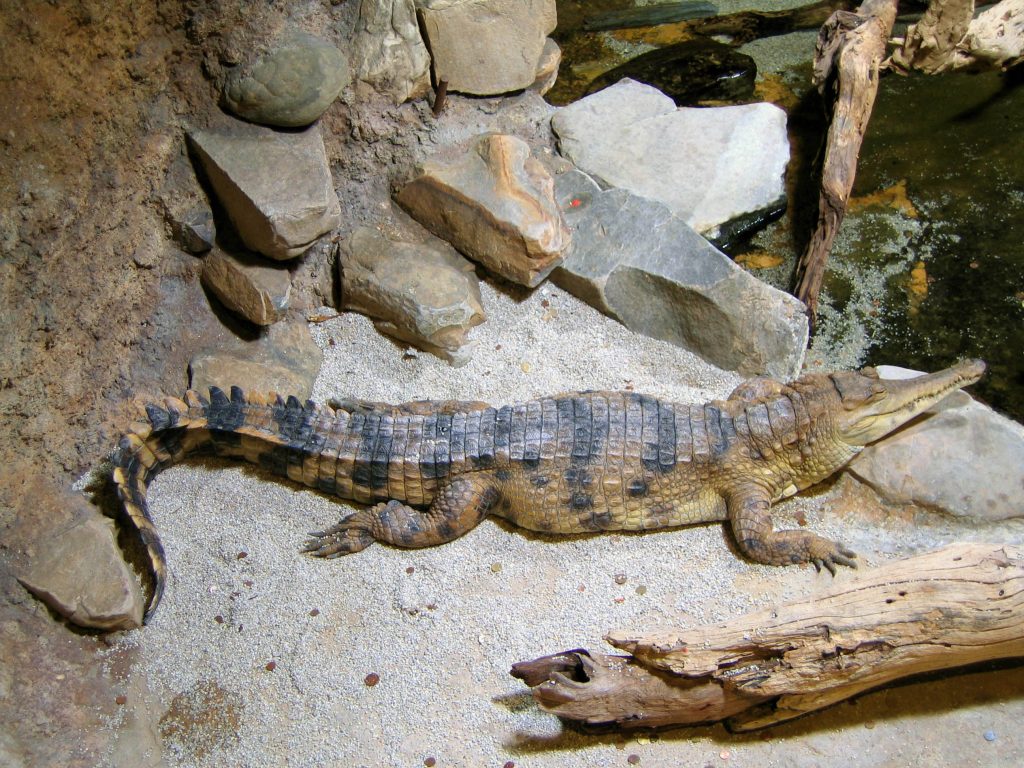
A critically endangered guardian of the Tano River’s sacred waters
Scientific Name:Mecistops cataphractus
Common names: West African slender-snouted crocodile, Crocodile à museau étroit (Fr.), "Nsuo Kokodua" (Akan)
Family: Crocodylidae
Distribution and Tano River Habitat
Native to West and Central Africa, this species is now highly fragmented and rare. It was once found across:
- Ghana, Côte d’Ivoire, Benin, Liberia, Nigeria, and Cameroon
In theTano River Basin:
- It survives in isolated wetland pockets, particularly:
- Near the Tanoé-Ehy Swamp Forest in southeastern Côte d’Ivoire
- Along quiet stretches of the lower Tano River and connected lagoons
- Prefers:
- Slow-moving freshwater, forest rivers, swamps, and backwaters
- Dense vegetation for nesting and ambush
Despite its elusive nature, local oral traditions still refer to it as a sacred water guardian in some communities.
Physical Characteristics
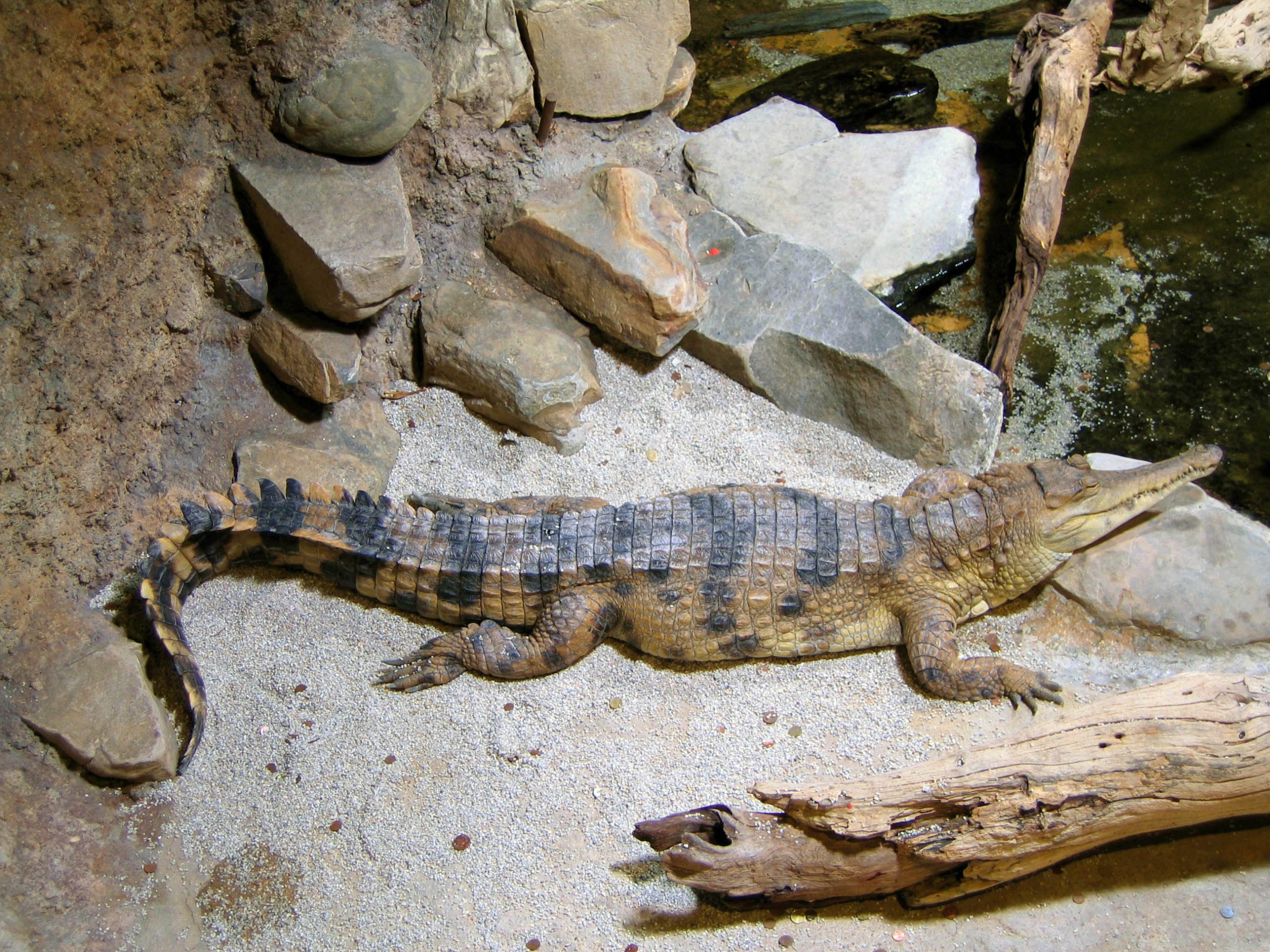
- Length: Typically 2.5–4 meters (8–13 feet)
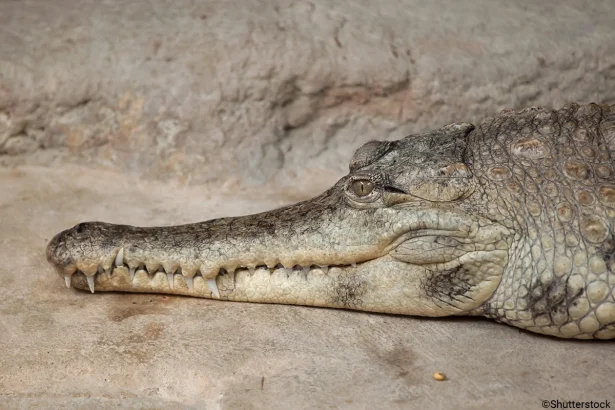
- Snout: Exceptionally long and narrow, adapted for catching fish
- Color: Olive to dark brown with darker markings
- Armor: Heavily scaled back with pronounced bony plates (osteoderms)
- Eyes and nostrils: Positioned for stealthy breathing while submerged
Its appearance is often mistaken for the Nile crocodile, but its slender snout and secretive behavior set it apart.
Behavior and Ecology
- Diet: Primarily fish, crustaceans, frogs, and small mammals
- Activity: Mostly nocturnal and shy; prefers to hide from humans
- Reproduction:
- Builds mound nests from leaves and soil
- Females lay 15–30 eggs and guard them during incubation
Unlike more aggressive species, it avoids conflict and rarely threatens humans.
Conservation Status
IUCN Red List:Critically Endangered
Major threats include:
- Habitat destruction from agriculture, mining, and deforestation
- Illegal gold mining (galamsey), especially in the Tano River system
- Hunting for bushmeat and traditional medicine
- Decline in fish stocks due to pollution and overfishing
- Conflict with humans where it is mistaken for dangerous species
It is one of the most endangered crocodilians in the world.
Cultural and Spiritual Significance
In parts of the Akan and Nzema traditions, the slender-snouted crocodile is:
- Seen as a messenger or protector of the water deity Ta Kora
- Associated with balance, fear, and reverence for nature
- Feared yet respected in local folklore, where harming one may bring misfortune
Some villages protect them as sacred beings, especially where water taboos are observed.
Conservation Efforts
- Captive breeding programs in Ghana and Côte d’Ivoire
- Community-based conservation near sacred forests and wetlands
- Advocacy by organizations like:
- West African Primate Conservation Action (WAPCA)
- IUCN Crocodile Specialist Group
Ecotourism and environmental education are being explored as sustainable protection models.
Why It Matters for the Tano River
The West African slender-snouted crocodile is:
- A flagship species for wetland conservation
- A symbol of the sacred, hidden life of African rivers
- A living reminder of the ecological richness and fragility of the Tano ecosystem
To lose it would mean not just losing a species — but a guardian of the river’s ancient soul.
🔗 Have you ever seen this rare crocodile or heard stories about it in your community? Share with us at [TanoRiver.com/submit]