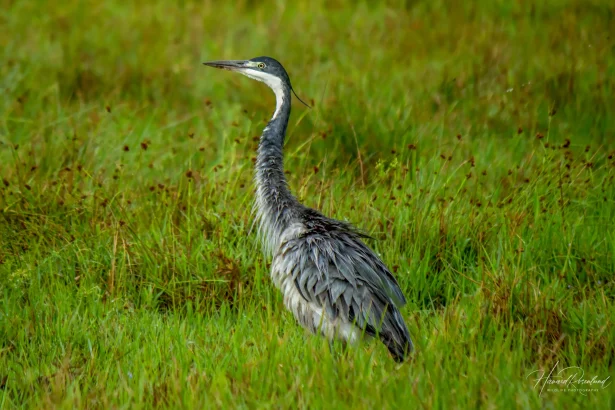
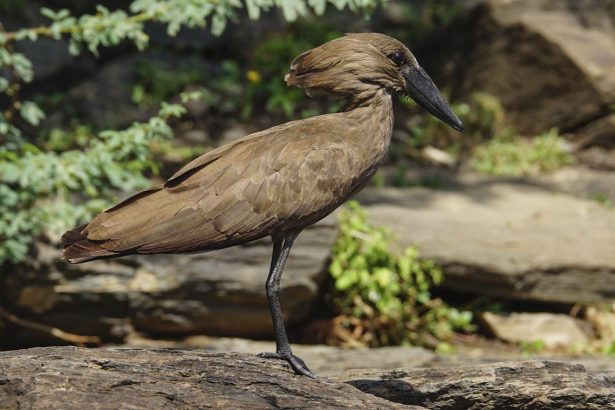
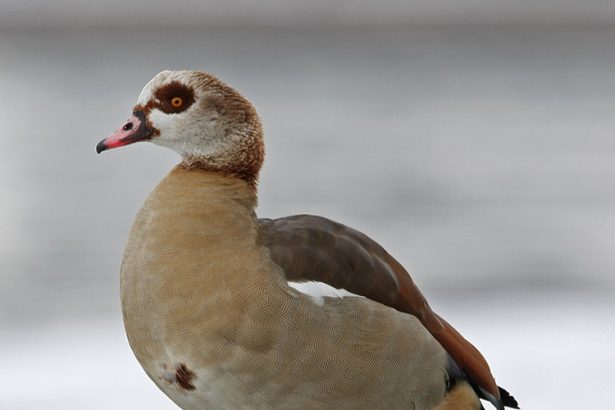
Bostrychia hagedash – L’ibis hagedash
Cet article n’est pas encore disponible en français : vous lisez la version originale en anglais. Voir la page anglaise
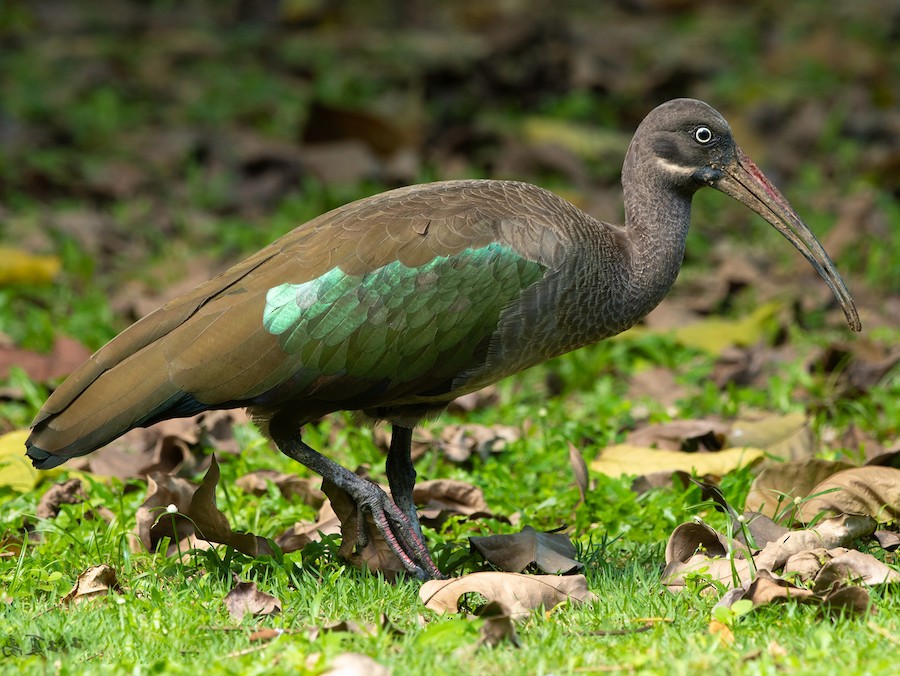
A loud voice at dawn, a graceful presence at the Tano’s muddy edges
Scientific Name:Bostrychia hagedash
Common names: Hadada ibis, Laughing ibis
Family: Threskiornithidae
IUCN Status: Least Concern
Distribution and Habitat
The Hadada ibis is found throughout sub-Saharan Africa, thriving in both wild and urban landscapes.
In theTano River region, it frequents:
- Riverbanks, flooded fields, and wetlands near:
- The Tano’s forested edges
- Rice paddies, agricultural margins, and savanna mosaics
- Also observed near village peripheries, roosting in tall trees
It adapts well to human-modified environments, making it one of the most recognizable wading birds of the region.
Physical Description
- Size: 65–75 cm (25–30 inches) in length
- Coloration:
- Generally grey-brown with a metallic green-purple sheen on the wings
- Long, curved black bill with a reddish base
- Bare face and large wings
- In flight: Broad wings and slow flapping, with loud calls echoing overhead
The Famous Call
- The Hadada is named for its distinctive “haa-haa-haa-de-dah” call, often heard at:
- Dawn and dusk
- When disturbed or flying over homes
- Its call is used in folklore to announce rain, visitors, or warnings
To many, the Hadada’s cry marks the rhythm of rural life.
Behavior and Ecology
- Feeding habits:
- Forages in moist soil and muddy ground, using its long bill to probe for:
- Earthworms, insects, snails, grubs, and small crustaceans
- Forages in moist soil and muddy ground, using its long bill to probe for:
- Activity:
- Diurnal, often active in the early morning
- Feeds in groups or alone, walking slowly with rhythmic pecking
- Roosting:
- Sleeps in tall trees near water or human dwellings
- Returns to traditional roosting sites each night
Nesting and Breeding
- Nests in trees, using sticks, grass, and leaves
- Both parents build the nest and care for the chicks
- Female lays 2–4 eggs, incubated for ~3 weeks
- Chicks fledge at 6–7 weeks and remain dependent for some time
They may reuse nests over multiple seasons.
Ecological Role
- Soil aerators: Their foraging disturbs the soil, helping with nutrient cycling
- Control insect populations, including agricultural pests
- Serve as prey for larger raptors and scavengers when nesting
Hadadas are important indicators of wetland health and biodiversity.
Cultural Significance
In many African cultures, the Hadada:
- Is associated with rain, change, or ancestral presence
- Is sometimes seen as a “watcher” or announcer of spirits
- Its call is mimicked in traditional songs and used in children’s games
Among farmers, it’s known as a natural pest controller.
Conservation Notes
- Not currently threatened, but impacted by:
- Wetland degradation, especially from mining and agriculture
- Pollution and use of herbicides in fields
- Loss of roosting trees due to deforestation
They are resilient, but their populations rely on clean, shallow wetlands and tree cover.
Why It Matters for the Tano River
The Hadada Ibis is:
- A familiar and vocal guardian of wetlands
- A daily presence in both rural communities and forest edges
- A reflection of the delicate connection between people, wetlands, and wildlife
Its call at dawn is more than sound — it’s a reminder that the river is awake, alive, and listening.
🔗 Do you hear the Hadada in your village at sunrise? Share your memory or recording at [TanoRiver.com/submit]